The IDDE Task Force and illegal downloads
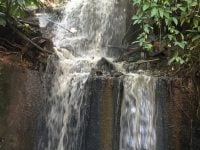
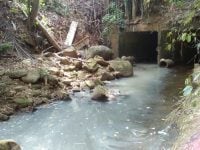
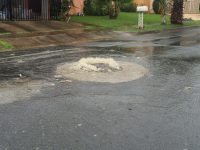
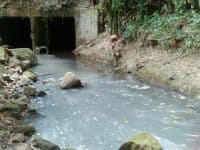
In 2014, the San Juan Bay Estuary created a multi-sector group to identify and correct discharges of untreated wastewater and other sources of pollution in the estuary watershed. This group was named the Illegal Discharges Detection & Elimination Task Force (IDDE Task Force).
The group includes representatives from state and federal agencies such as the Puerto Rico Aqueduct and Sewer Authority, the Department of Natural and Environmental Resources, and the U.S. Environmental Protection Agency (EPA). Municipal governments from the eight municipalities within the Estuary's watershed are also collaborating, as are representatives from local communities and academia.
The IDDE Task Force meets at least four times a year, depending on the number of reported cases. At these meetings, identified discharges are presented and discussed to develop a corrective action plan. Occasionally, the group invites external entities and consultants to share information, exchange ideas and technology, and propose new strategies. One of the group's main activities is coordinating field visits to sites and facilities where illegal discharges are identified.
Participation by representatives from state, municipal, and federal agencies is voluntary and collaborative. This allows problems to be addressed proactively and as a team. The IDDE Task Force has been featured in the press and recognized by the EPA as a model to emulate for detecting and correcting illegal discharges in other watersheds.
As a complement to the IDDE Task Force, the University of Puerto Rico's Agricultural Experiment Station is developing a contracted project to identify and characterize illegal discharge points in the watershed. As part of the project, a team of specialists is surveying rivers, streams, and other locations with instruments to measure water quality parameters and count bacteria indicative of fecal contamination.
This project is currently in its second phase. This phase involves correcting and monitoring previously identified discharges in 12 critical areas. The IDDE Task Force channels the collected information for immediate action.
As part of the project, the Citizen Monitoring Network was created. This group is made up of members of the Estuary communities, who are trained to continue and perpetuate the efforts to improve water quality in the estuarine system.