What is Citizen Science?
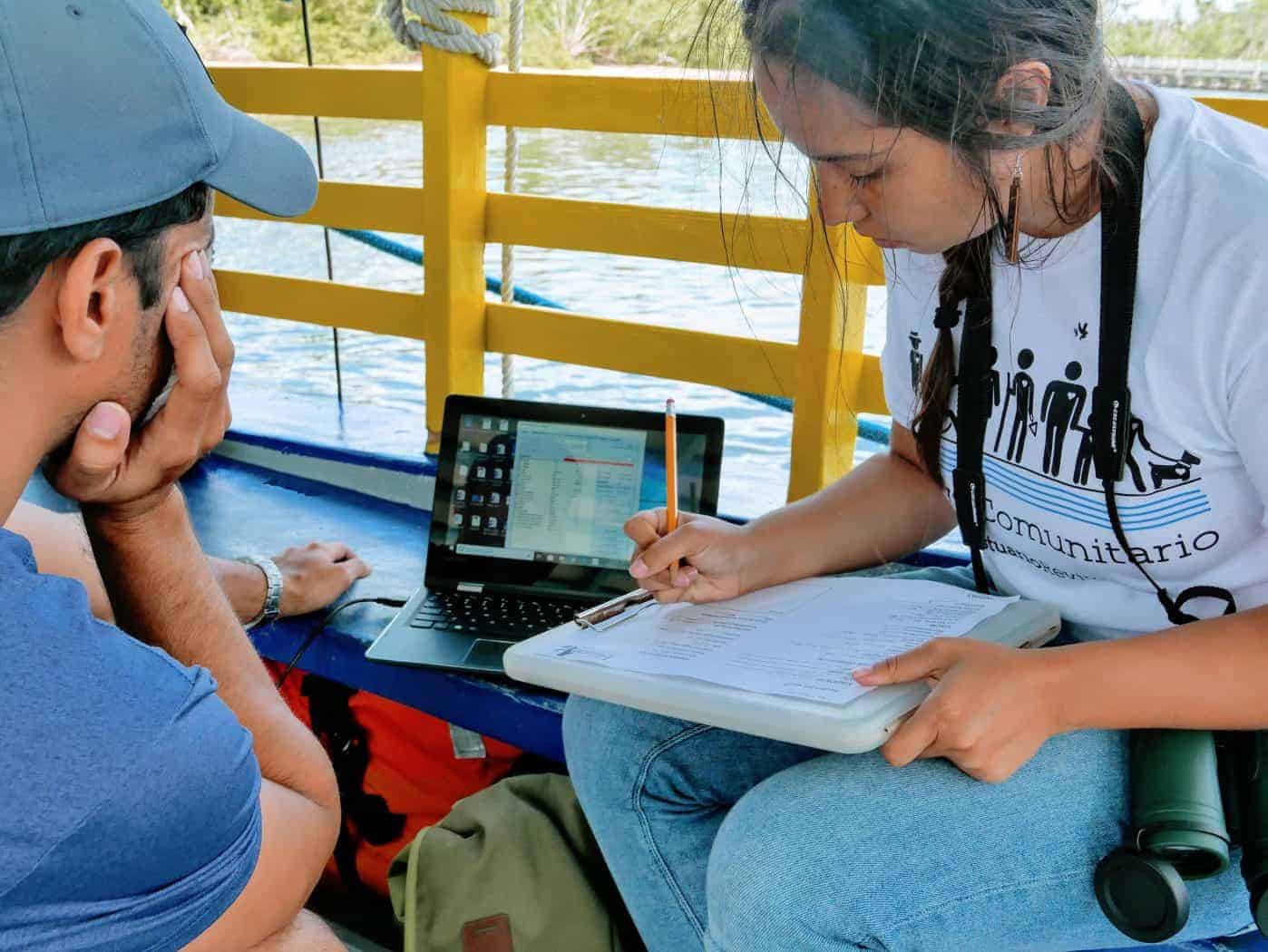
Citizen science produces scientific knowledge through collaborative models between the general public and professional scientists to apply it to the restoration of natural spaces.
The focus of the Citizen Scientist Certification is to promote the scientific development of the community, establishing sustainable links between future scientists and the ecosystems of Puerto Rico, while addressing the interdisciplinary nature of environmental protection.
Citizen Scientists
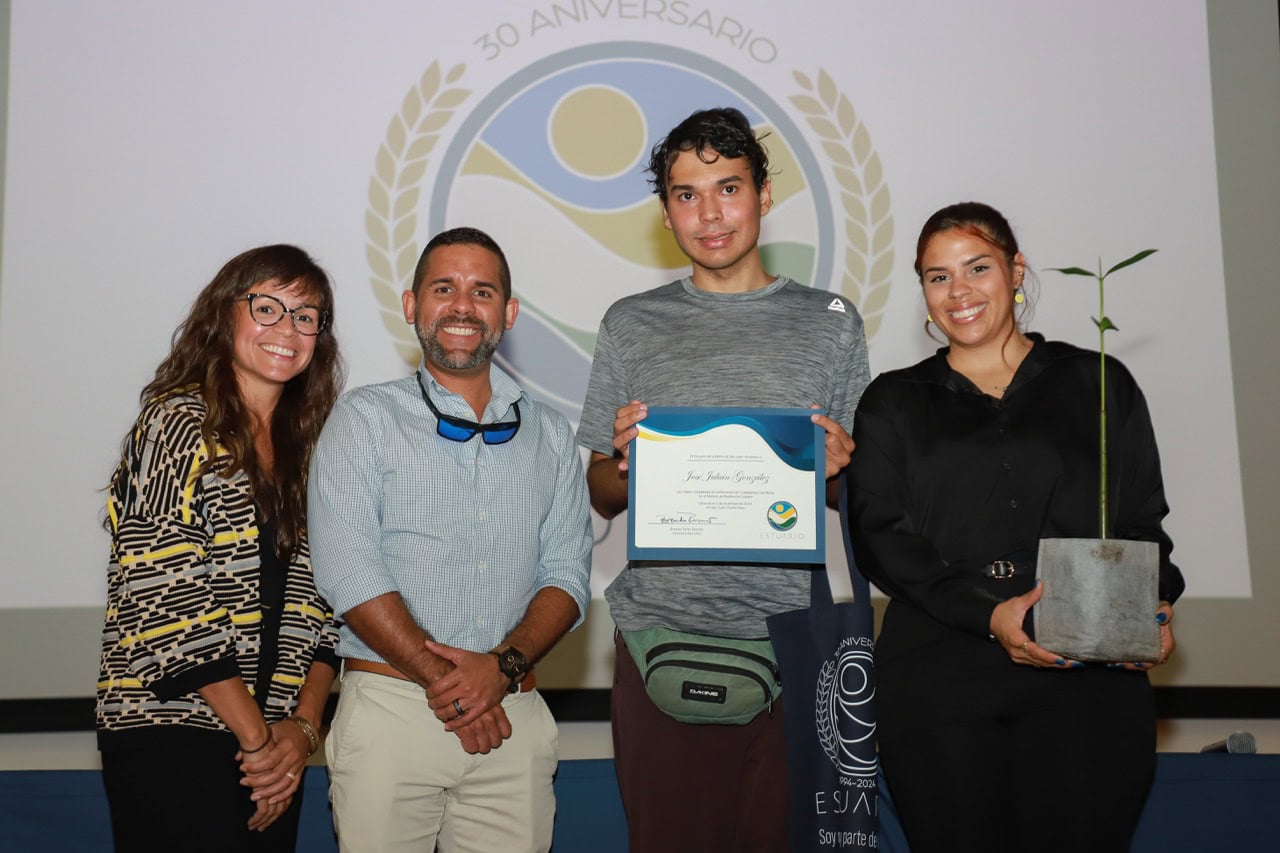
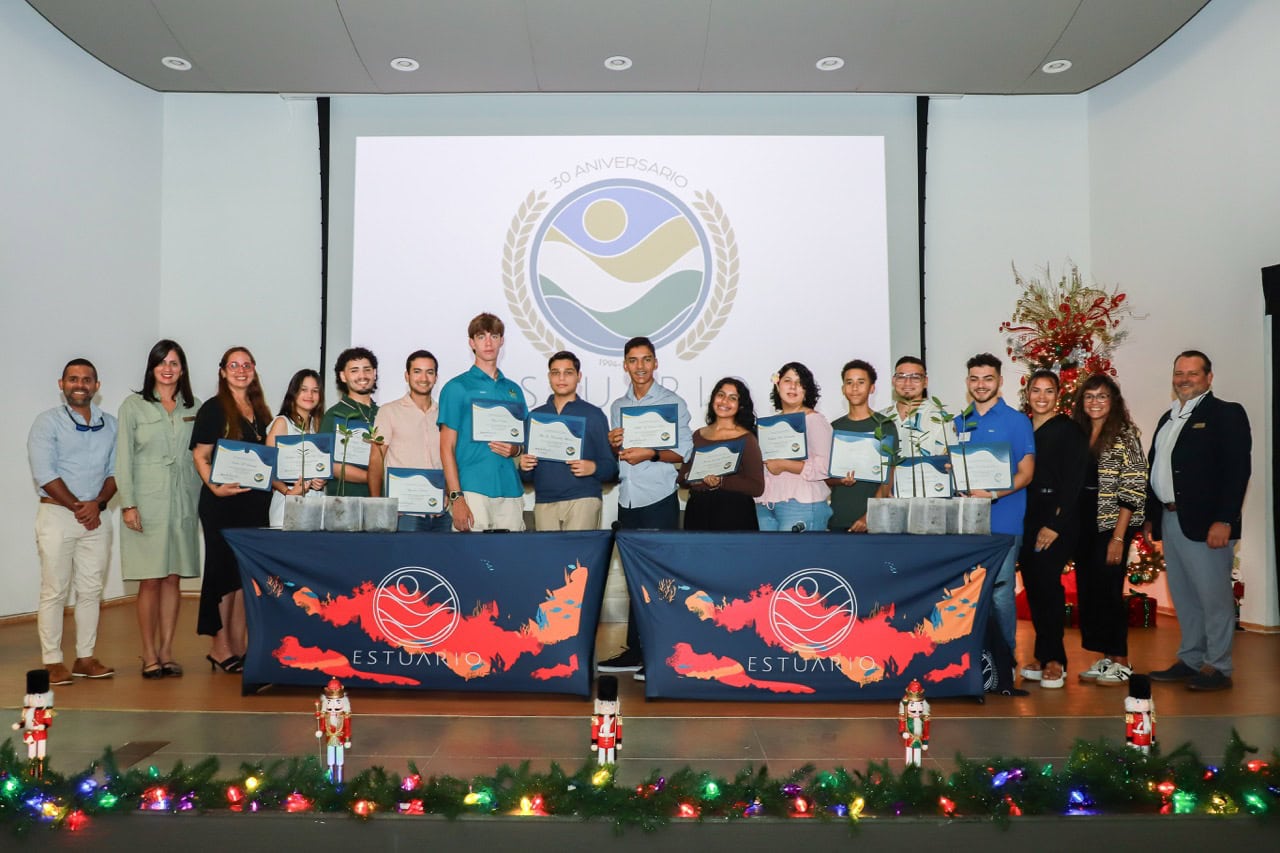
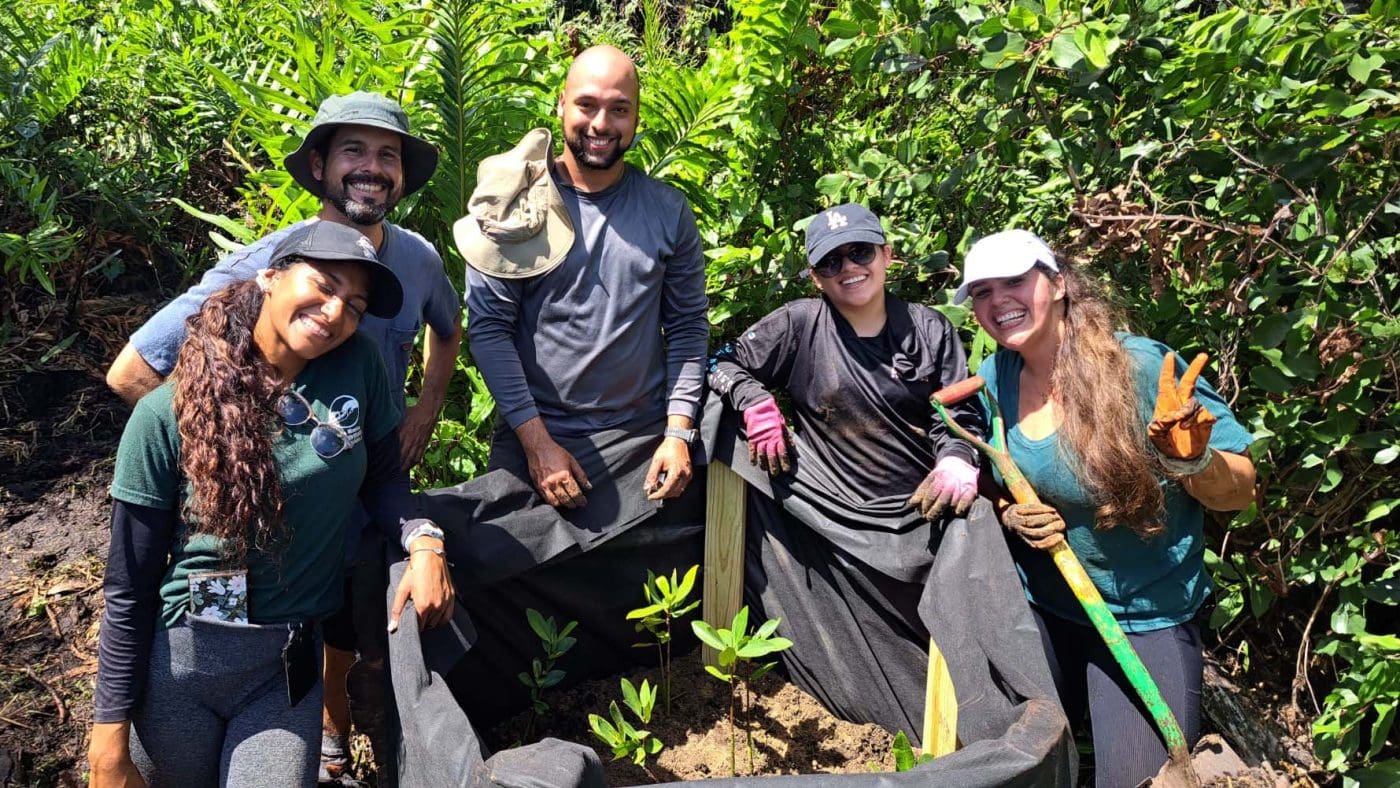
In December 2024, the first 15 citizens who successfully completed the Citizen Scientist certification in the Estuary Coastal Resilience module were recognized. The certification requires participation in workshops and field experiences focused on the ecological assessment of seagrasses, the ecological assessment of coral communities, and the restoration and enhancement of coastal ecosystems. We are grateful for the tangible commitment of these citizen scientists.
Likewise, we make a general call for more citizens to get certified so that together we can work for the restoration and conservation of the water quality of the San Juan Bay Estuary ecosystem and its watershed!
Why get certified as a Citizen Scientist?
Becoming a certified citizen scientist allows you to:
- Explore Puerto Rico's biodiversity alongside scientists, while sharing with committed people.
- Increase your understanding of science, the scientific method, and its application in environmental research in a fun way.
- Contribute your perspectives, ideas, and suggestions to the creation of alternatives.
- Boost your professional leadership, critical thinking, and teamwork skills, while being part of the solution to our environmental problems.
- Receive Green Contact hours.
You can obtain Citizen Science certification in four modules:
Get involved: Steps to Certification
Step 1:
Choose the Citizen Scientist Certification Module of your choice. You can complete all four!
Step 2:
Participate in the virtual workshop. Depending on the module, more than one workshop may be required.
Step 3:
Attend the field experiences
The required hours vary by activity, and the number of field experiences required varies by module. Participation in the field experiences is only possible if you have participated in the virtual workshops.
Step 4:
Receive your certification as a citizen scientist!
The modules share the same format. You can get certified in more than one module. However, the requirements completed in one module are not transferable to the others.
All that's required is your commitment and a desire to learn, gain new skills, discover, and collaborate on the protection and management of the estuary. We're looking for all kinds of people, regardless of their qualifications or background. You don't need any prior scientific experience. We'll announce the dates for workshops and field experiences on our social media channels.
For more information, you can call (787) 725-8165 or write to: [email protected]
Events scheduled by module:
Water Quality Monitoring Module
It presents the basic concepts of water quality parameter analysis in order to determine the current conditions of the ecosystems of the Estuary basin.
The Water Quality Monitoring module comprises two areas of focus: 1) bacteriological monitoring and 2) physicochemical monitoring. To become certified in this module, you must complete the following:
- Two (2) workshops:
- Water quality and bacteriological analysis
- Water quality and physicochemical parameters
- Two (2) field experiences for each area of interest, for a total of four (4) field experiences.
Participatory Bird Census Module
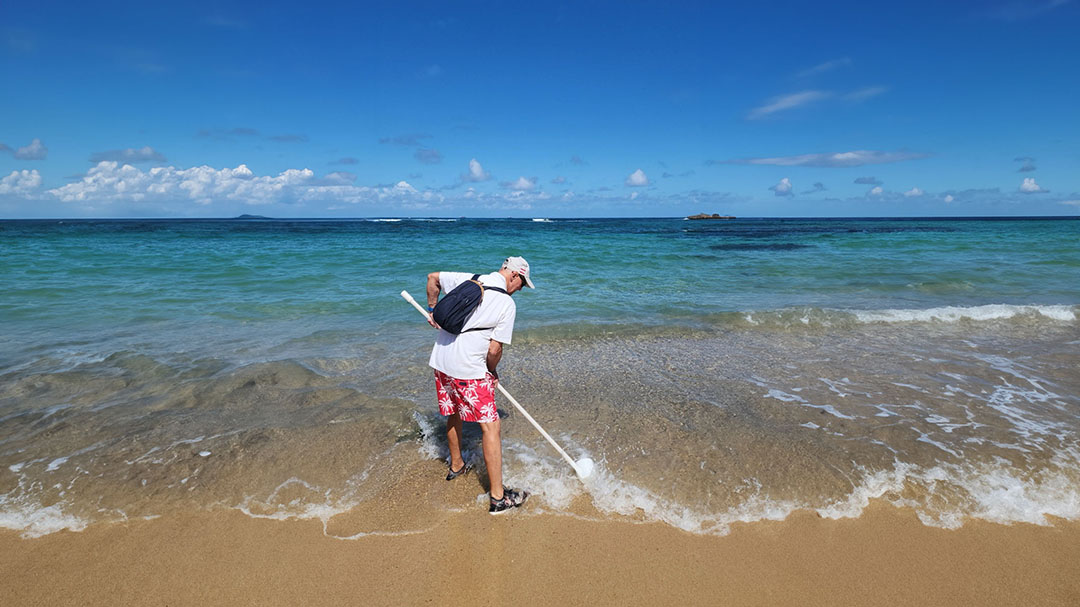
The Participatory Bird Censuses module presents the basic concepts of bird identification, while also presenting the techniques, tools, and technologies for conducting bird censuses in the various ecosystems of the Estuary basin.
- One (1) workshop: Participatory bird censuses
- Two (2) field experiences
Microplastics Characterization and Reduction Module
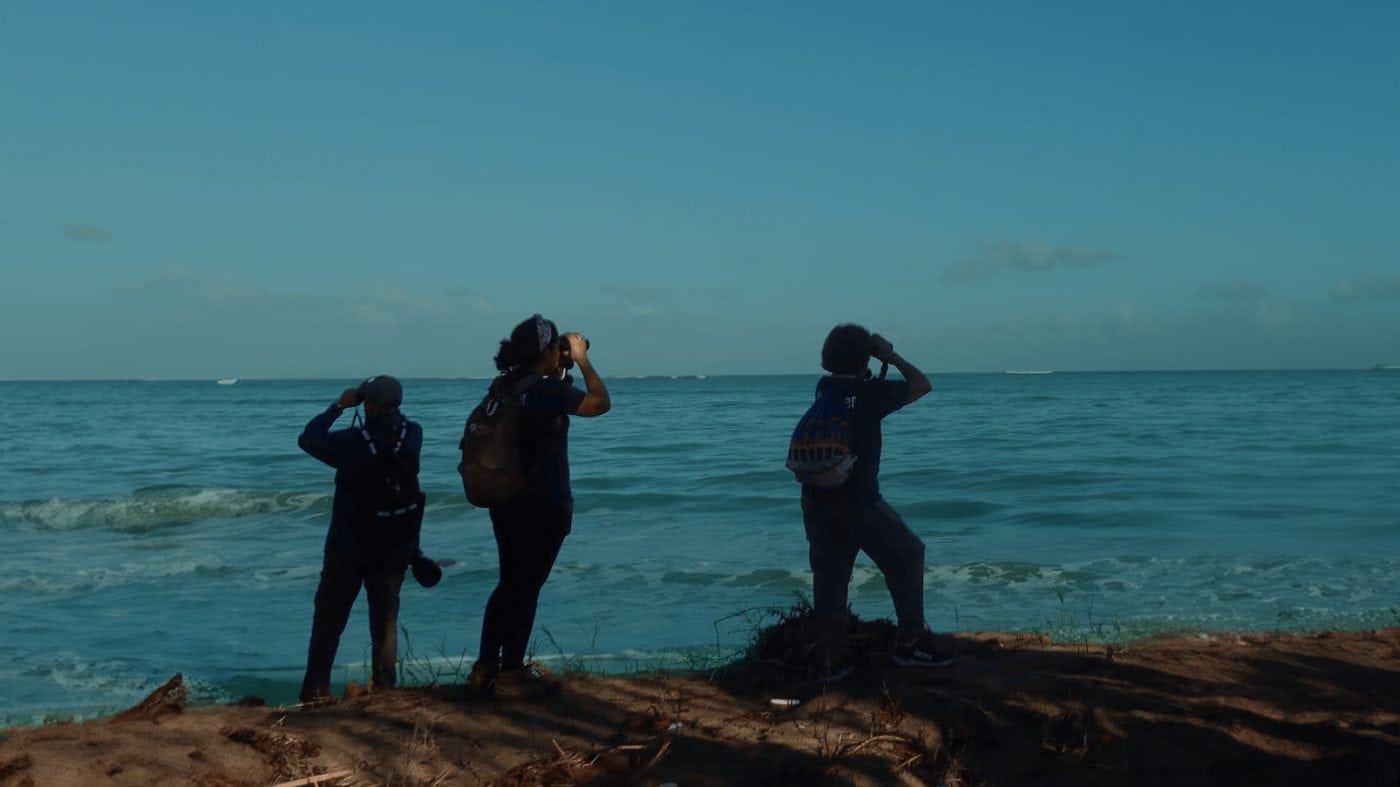
It presents the basic concepts for identifying plastic particles in sand and water. It also provides information on techniques and resources available for sampling microplastics in the San Juan Bay Estuary watershed.
- One (1) workshop: Microplastics and other Aquatic Debris
- Two (2) field experiences
Coastal Resilience Module
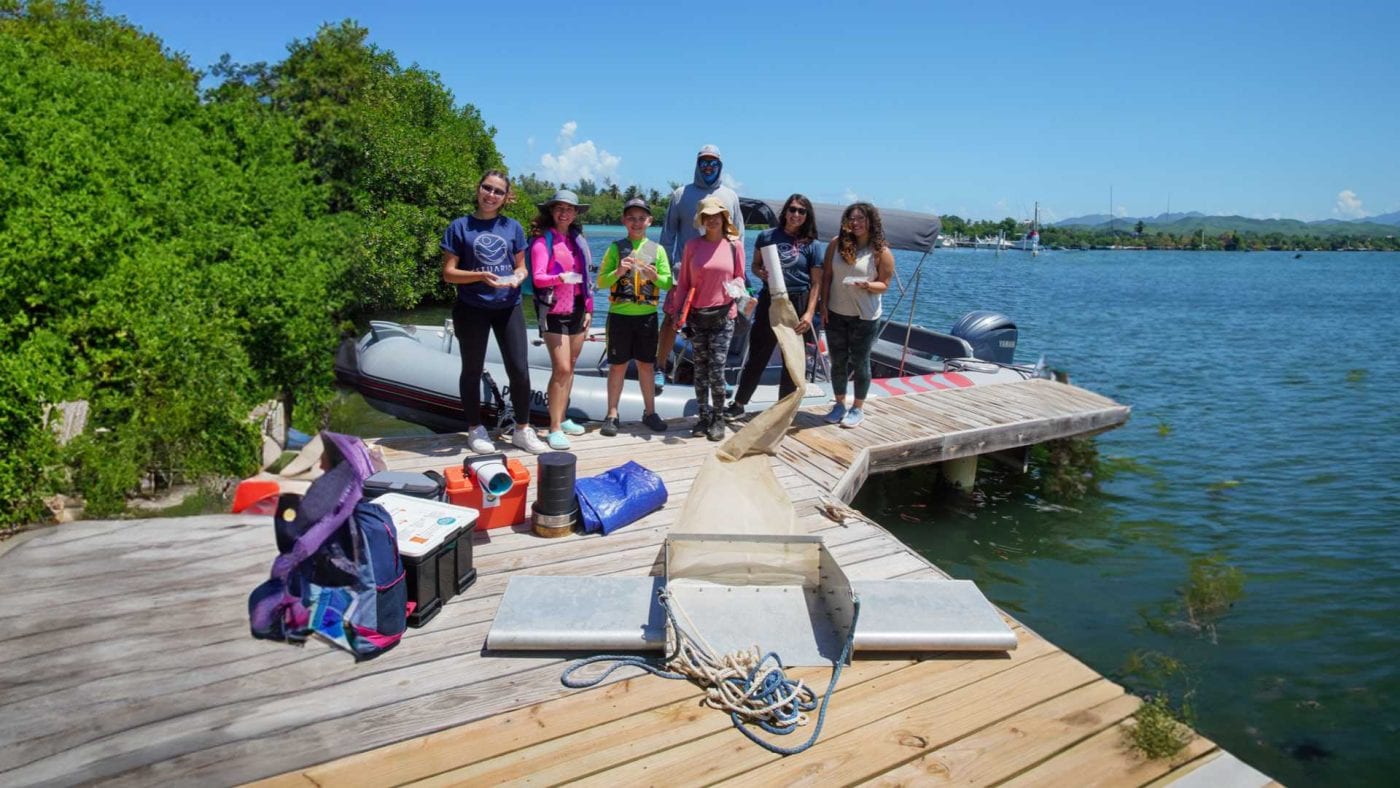
It presents concepts focused on tropical coastal ecosystems in order to study the services they provide and their roles in socio-ecological resilience.
The Coastal Resilience module comprises three areas of interest: 1) dunes and mangroves, 2) seagrasses, and 3) coral communities. To become certified under the Coastal Resilience module, you must complete the following:
- Two (2) workshops:
- Coastal resilience and the restoration of dunes and mangroves
- Coastal resilience and ecological assessment of corals and seagrasses
- Two (2) field experiences for each area of interest, for a total of six (6) field experiences.
If the field experience you'd like to participate in is full, you can join this waiting list. If a spot opens up before the event, we'll contact you. If you have any questions, please write to us at: [email protected].