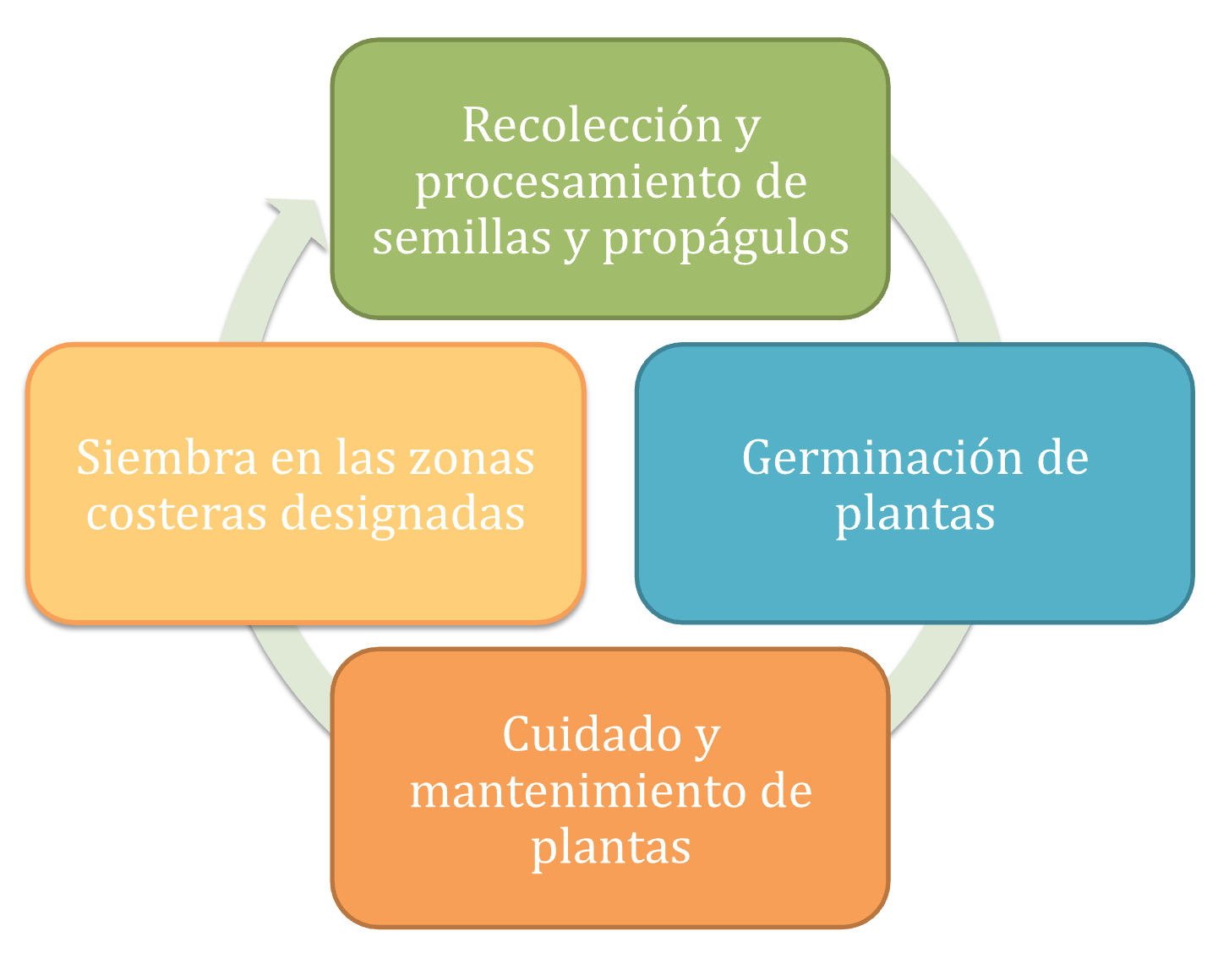
Collection and processing of seeds and propagules
Identifying suitable seed collection sites is crucial. Whenever possible, seeds should be collected from a habitat with similar elevation, appearance, and soil to the planting area to ensure adaptation. Working with regionally adapted plant sources is important not only for plant survival and health but also for the native ecosystems and animals that depend on those plants.
Proper seed processing begins the moment the seed is extracted from the parent plant. This processing includes short-term handling from the field to the nursery and the prompt and appropriate extraction of the seeds. This step is followed by timely and appropriate sowing in the nursery.
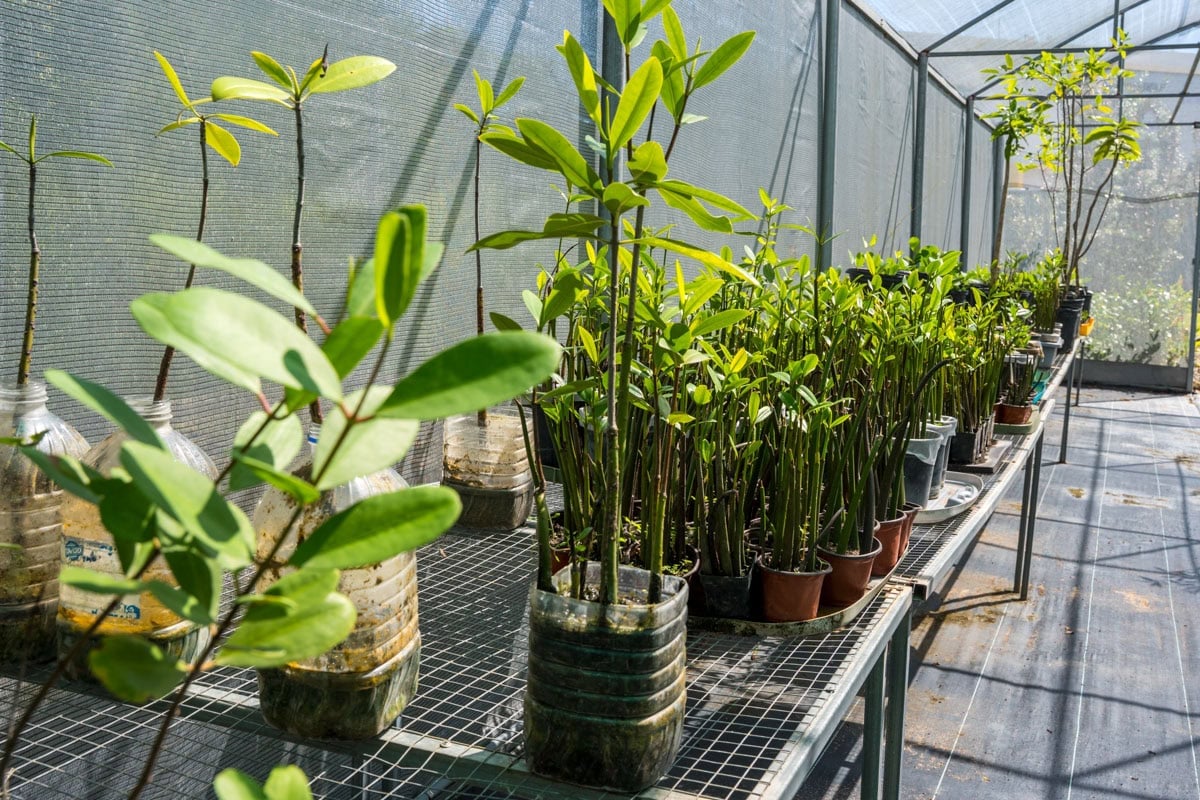
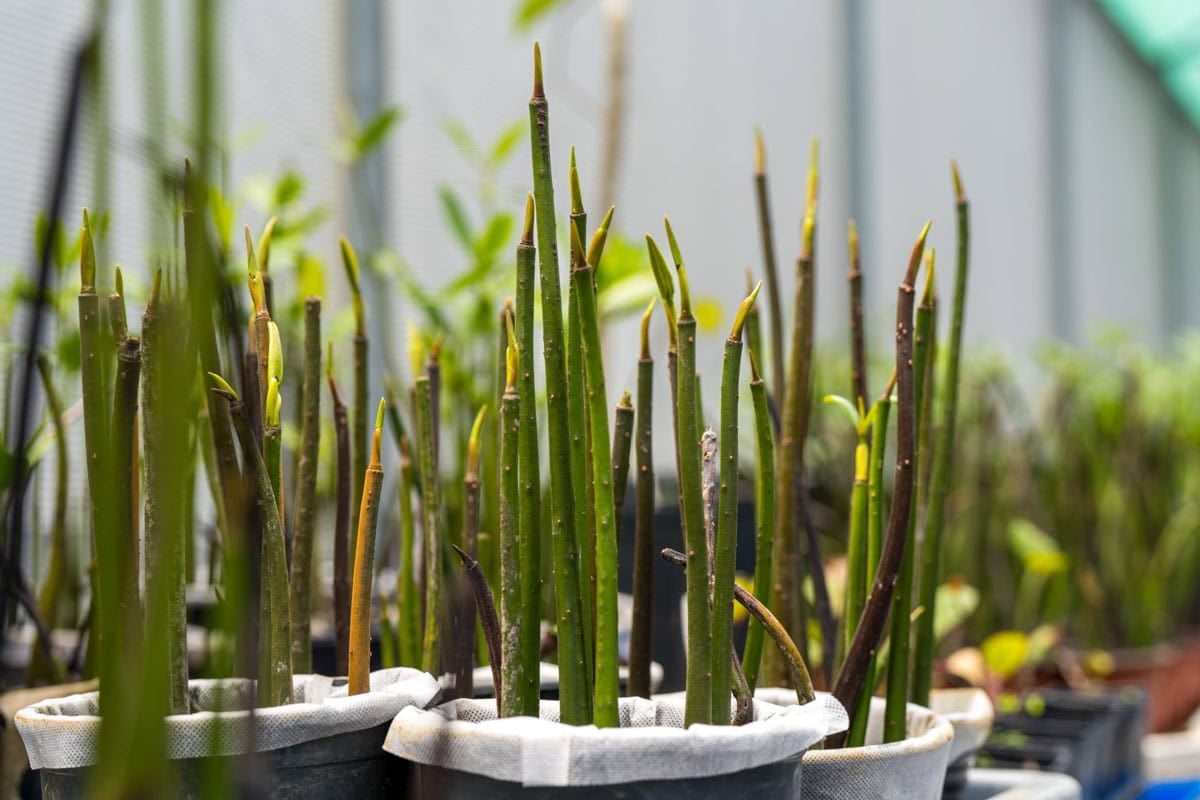
For example, in the case of the red mangrove (Rhizophora mangle), it requires meticulous steps to grow the propagule (stick-shaped pods, equivalent to a “seed”).
Once the propagules are collected, a forced dispersal process is carried out to recreate their ecological and reproductive characteristics. During forced dispersal, the propagules must remain in water for approximately 40 days. After dispersal, roots establish themselves within 15 days. They are then planted in pots with prepared substrates for their proper growth. The pots are generally kept half-filled with water (brackish and/or fresh) to acclimate the plants to transplanting conditions.
Plant germination
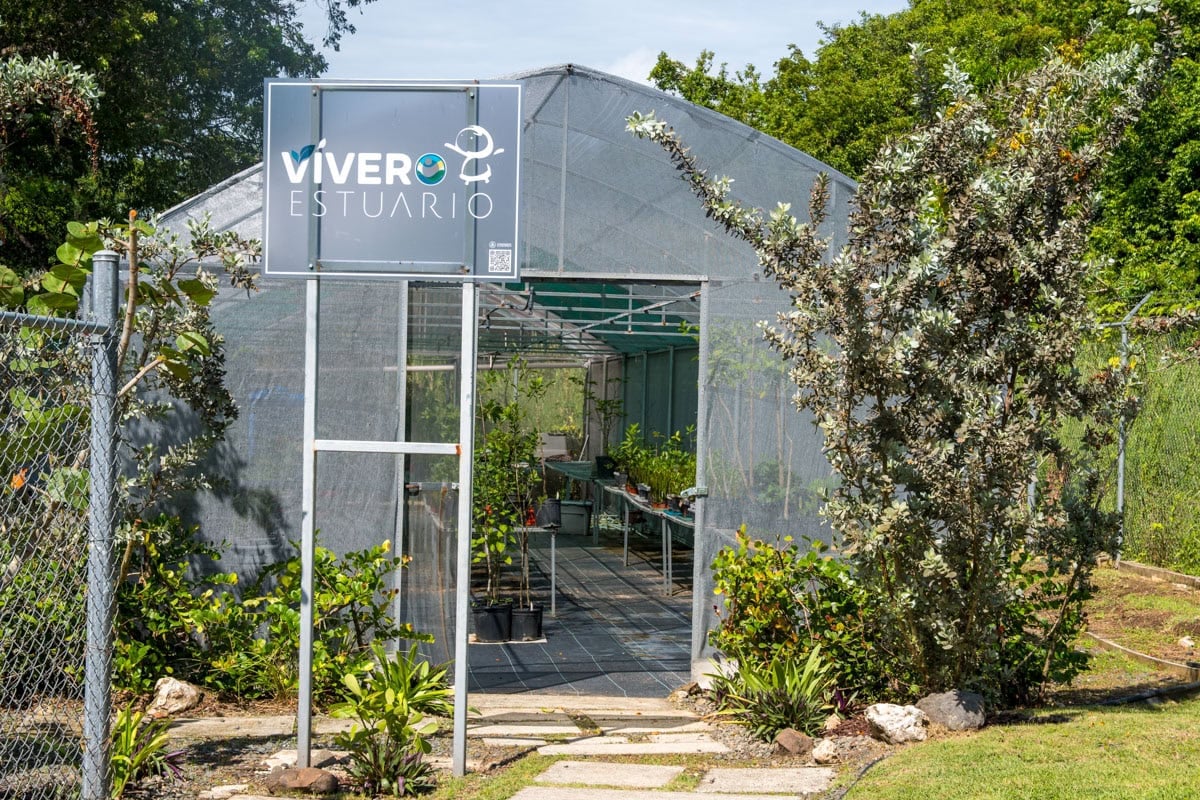
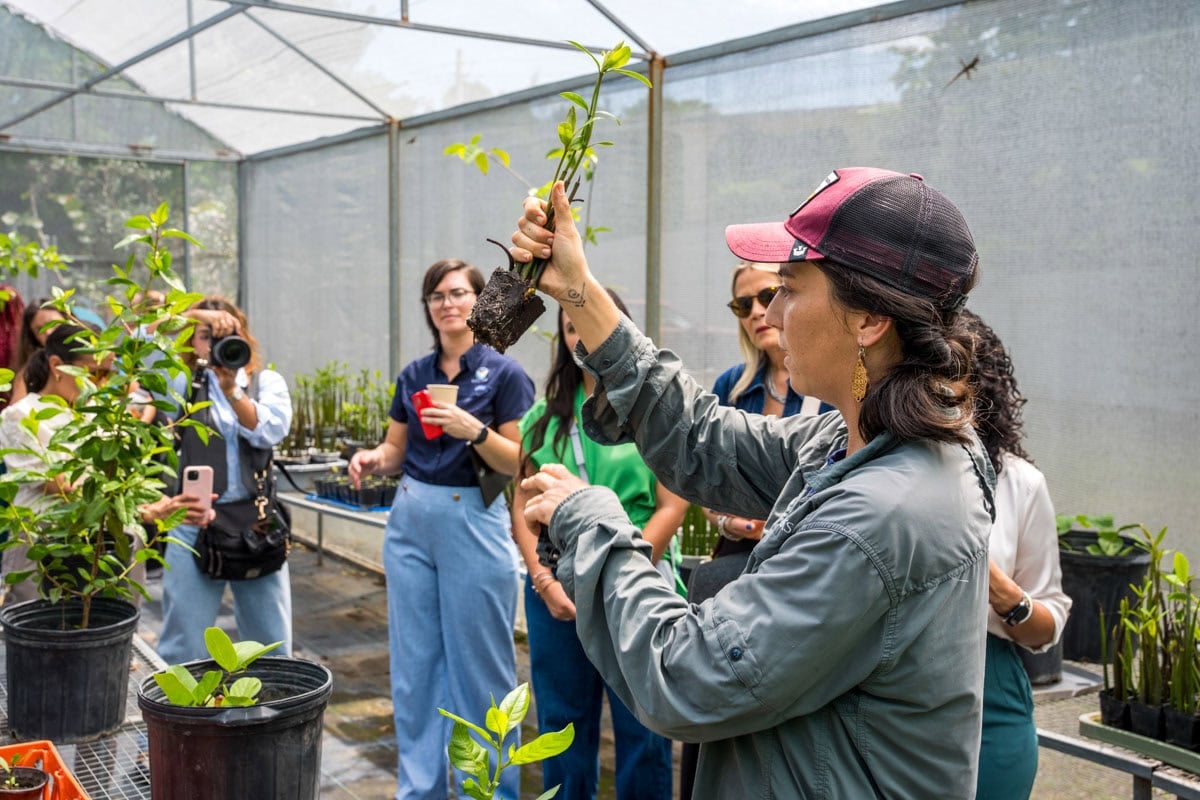
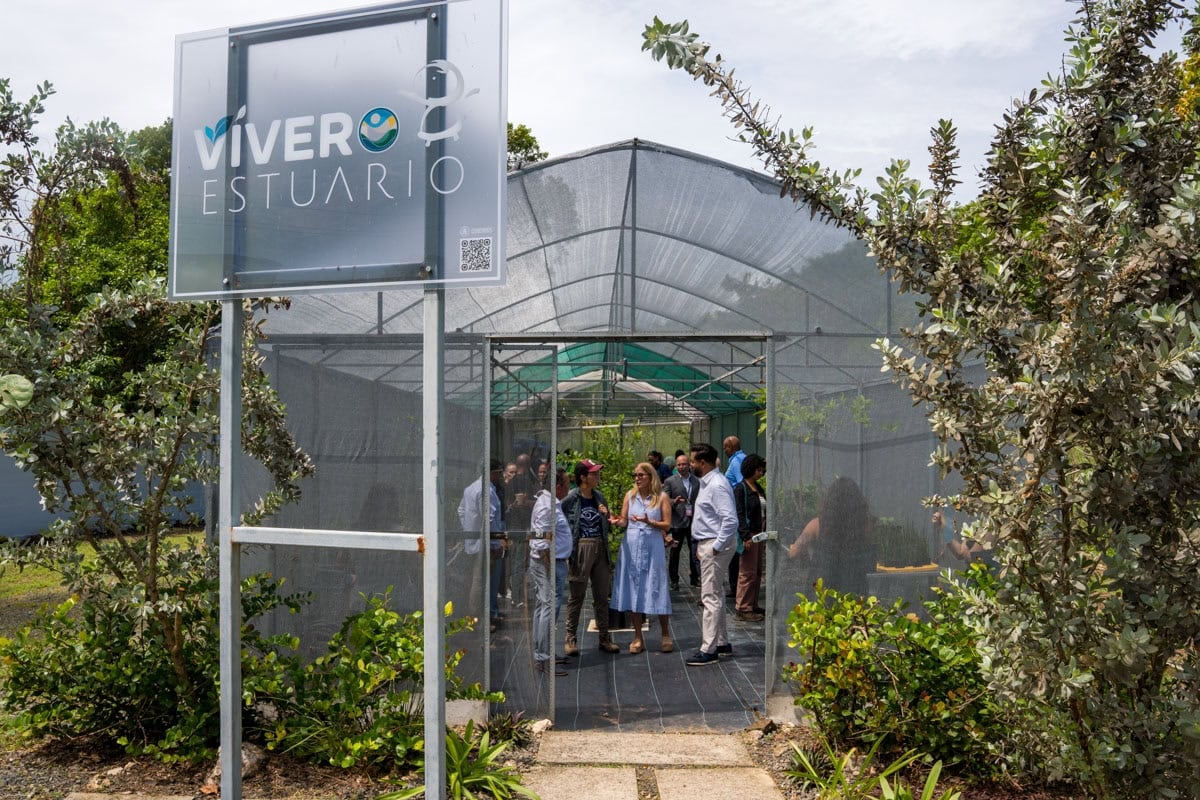
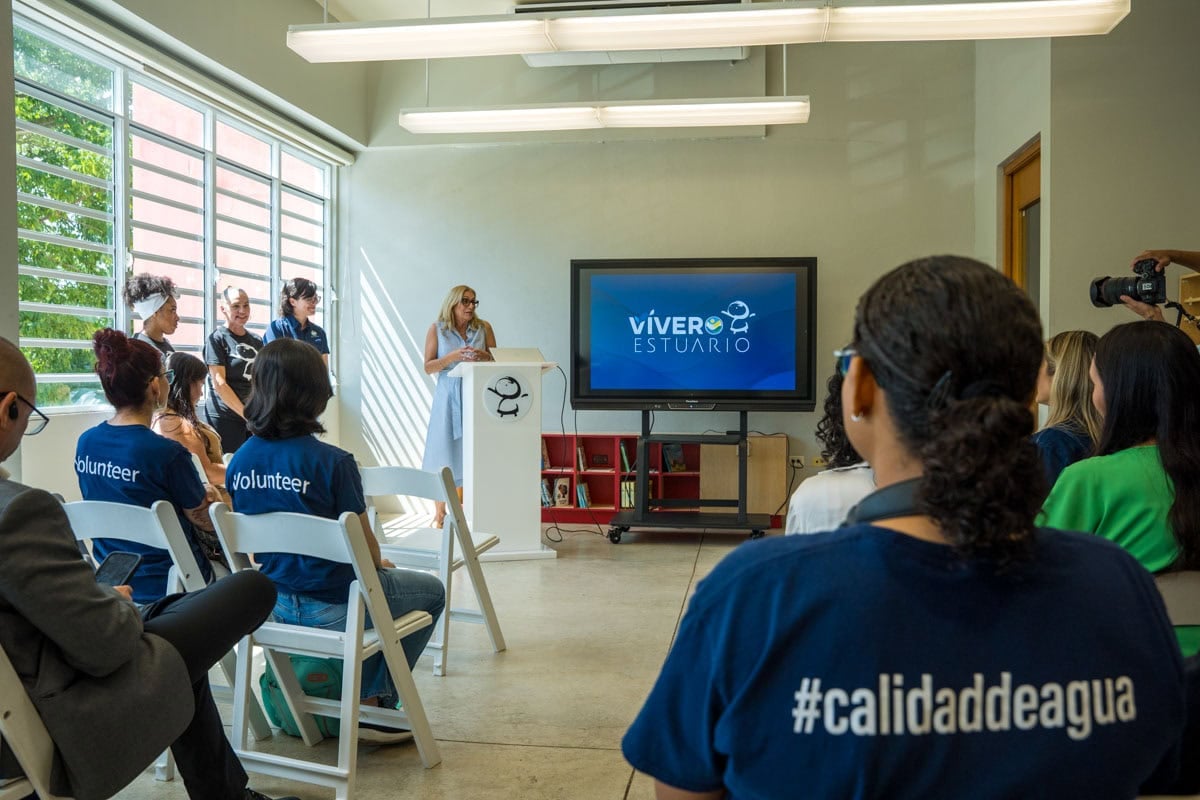
There are four environmental factors that affect plant germination and development: 1) light, 2) water, 3) oxygen, and 4) temperature. All plants have specific germination requirements based on ecological adaptations and environmental cues that trigger germination for that species. This is why Vivero Estuario is strategically designed to meet these environmental needs; the front has a shade cloth with 30% light filtering, while the back has 70%. This feature is particularly important for the Black Mangrove (Avicennia germinans) because it prefers sunlight and does not grow well in deep shade.
Similarly, the sprinkler system has dual functions: a drip irrigation system that mimics rain for more established plants, and a more subtle micro-spray for newly germinated seedlings. To manage oxygen and temperature levels, the nursery maintains a community of resident plants that contribute to the humidity environment. To increase the adaptability and survival rate of plants in the island's diverse coastal ecosystems, the Estuary Nursery does not use treatments or germination stimulants.
Plant care and maintenance
Vivero Estuario has a self-sustaining irrigation system that relies on rainwater to refill its water tank. Water quality is also analyzed to ensure a sufficient supply for irrigating the vegetation. Daily operations are planned to ensure both water availability and the resilient maturity the plants will need after planting. As part of this maturation process, the mangroves are manually irrigated with salt water in preparation for the dry season.
Similarly, plants need nutrients and minerals in the right amounts for their physiological processes. The plants at Vivero Estuario feed on the nutrients their roots absorb from the substrate. Appropriate substrates are used to ensure moderate drainage, allowing the plants to adapt to the planting areas.
Finally, holistic pest management is an integrated approach that considers the overall health of the plants and the nursery environment to prevent problems and proactively manage them. Preventive practices for good sanitation include keeping the nursery clean, removing all plant debris from the nursery area before planting a new crop, regularly removing all weeds growing under tables and in the crops, cleaning containers, and using only locally sourced planting material to minimize the risk of spreading insects, diseases, and invasive plants.
Planting in designated coastal areas
Once the plants have reached the desired specifications and have hardened sufficiently to withstand the stress of handling and transplanting, they are taken to our reforestation activities and planted on the coasts, providing many benefits to the environment by improving soil quality, optimizing biodiversity, inhibiting the proliferation of invasive plants, capturing carbon, restoring native plant populations, creating habitats for wildlife, preventing soil erosion, and providing barriers against strong storm surges.
What plants are produced at the Estuary Nursery?
Since Vivero Estuario began in 2022, more than 30 coastal plants have been produced and planted along the coasts of Puerto Rico. The coastal plant species that have been part of this nursery include:
- abey
- Amphitheatne
- Annona
- Ausubo
- Callophyllum
- Ceiba
- Cork
- Guama
- Guayacán
- Haba
- Glass grass
- Huila
- icaco
- Hypomea
- White mangrove
- Mangle button
- Black mangrove
- Red mangrove
- Coconut palm
- sandpaper stick
- Palo vaca
- Pterocarpus
- Beach grape
- Vetiver
How I can help?
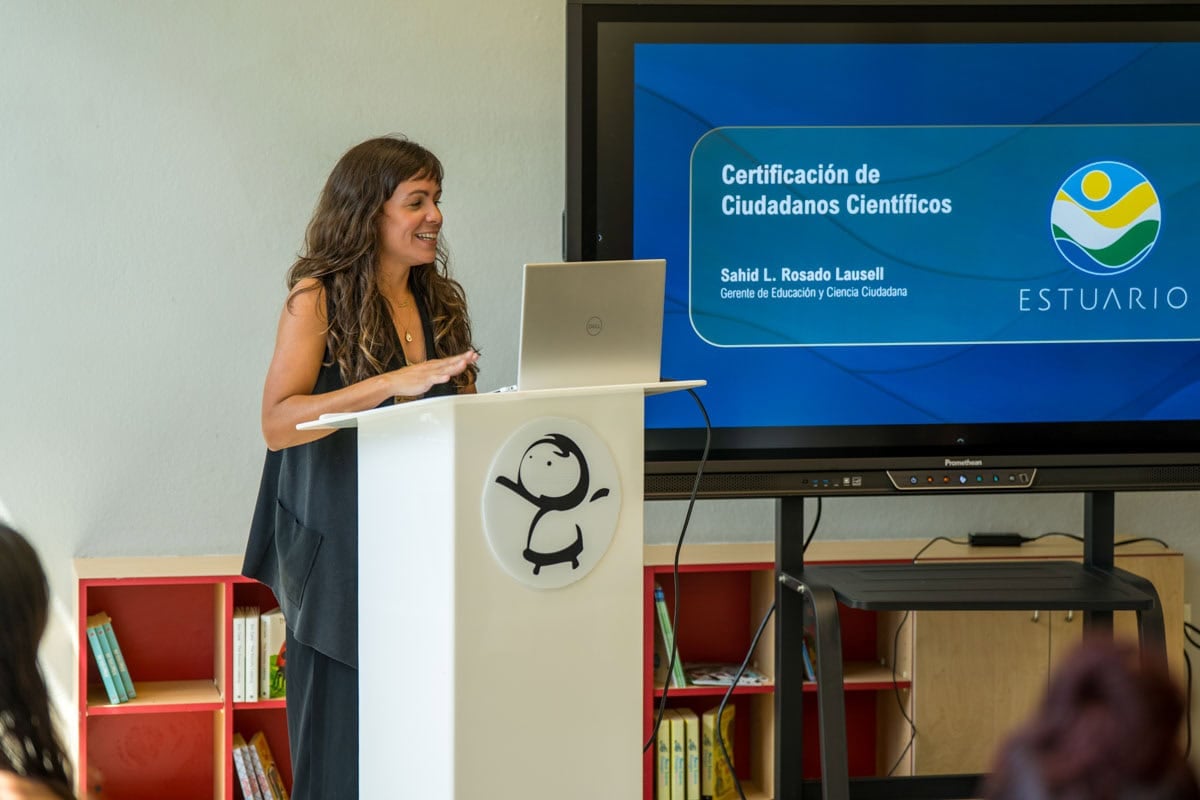
Become a certified citizen scientist in the Coastal Resilience module so you can support the following activities as part of the field experiences:
General and green area maintenance
Substrate preparation
Sowing of seeds and propagules
Weeding plants
Pruning of trees and shrubs
Check water quality
Visit our Citizen Scientist Certification page ( https://estuario.org/ccc/ ) to register for activities.