Resident Artists 2026: Antonio Martorell and his Friends

This year, the Estuary Artistic Residency invites us to embark on a journey of collective creation, environmental memory and community transformation alongside the master Antonio Martorell and his Friends.

Presentation and closing discussion: The estuary is not still

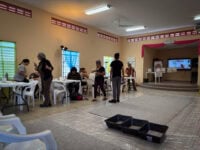
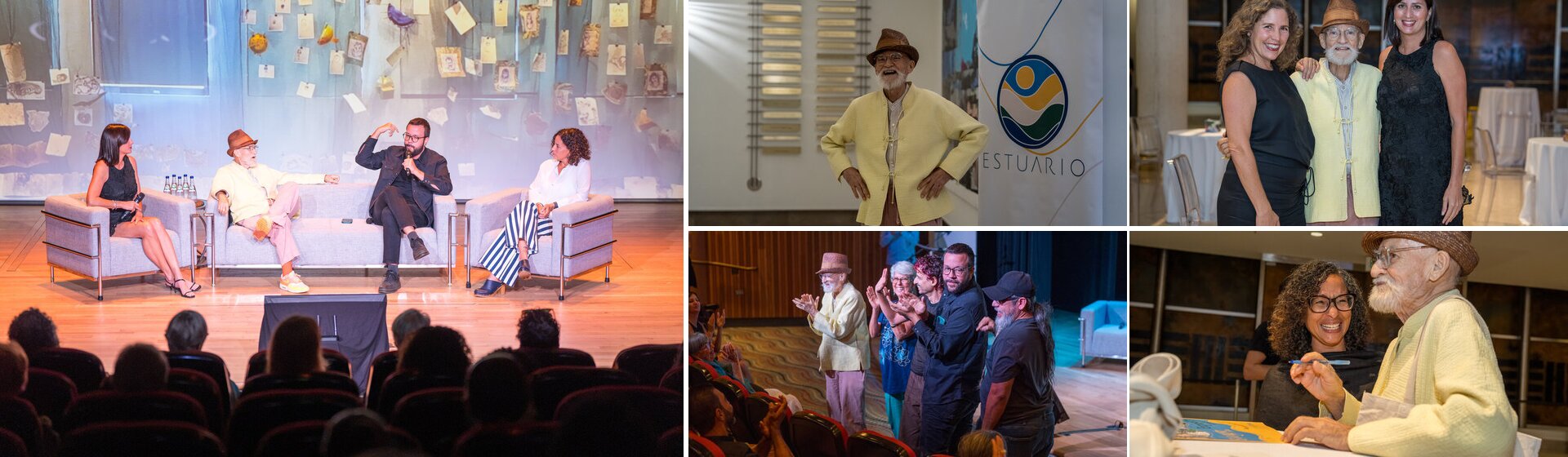
Last Friday, September 25, 2026, we celebrated the closing of the Martorell and Friends Artist Residency at the San Juan Bay Estuary. The Raúl Juliá Theater at the Puerto Rico Museum of Art (MAPR) hosted the event to share the results of this project, which, from its inception, made water its guiding thread and collective work its mode of creation.

Pedro Adorno, co-founder of the Agua, Sol y Sereno collective , served as the evening's host. As part of the opening remarks, Brenda Torres Barreto, executive director of the Estuary, and Dr. María Cristina Gaztambide, from MAPR, shared some thoughts on future collaborations between the two organizations.

The program began with the first screening of the documentary *The Estuary Is Not Still* , directed by Joserraul “Jochi” Ortiz, one of the ten friends from the Ponce Beach Workshop who accompanied Maestro Antonio Martorell during this residency. Over the course of a year of collaboration, Ortiz documented the workshops and their processes, interactions, reactions, and sounds, creating an audiovisual record of the experiences that comprised the residency.

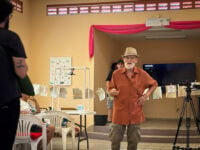
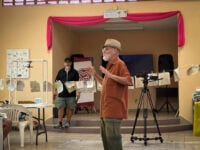
Following the screening, a discussion was held with Maestro Antonio Martorell; Brenda Torres Barreto; Mariana Reyes, cultural manager and director of Taller Comunidad La Goyco; and Joserraul “Jochi” Ortiz. The conversation allowed for the sharing of different perspectives and experiences about the residency process.

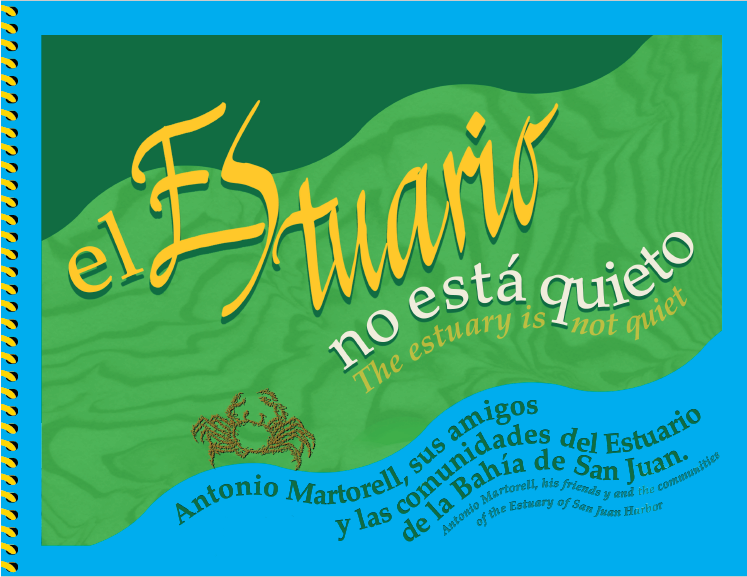
During the activity, the postcard prepared by the Taller de la Playa and the model of the book that the Estuary is developing in documentation of this residency were also exhibited.

The event marked the official closing of a historic residency that, for a year, fostered encounters between artists, communities, and the San Juan Bay Estuary. We hope that the San Juan Bay Estuary can continue to host artist residencies like this in the future and continue creating spaces for connection between art, communities, and our estuary. We count on your support to make it happen!

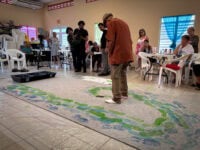
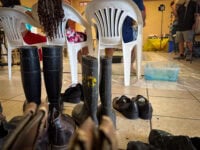
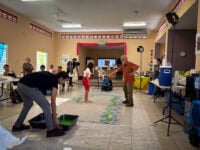
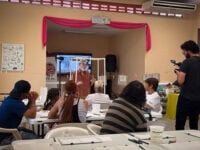
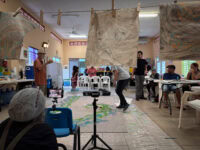
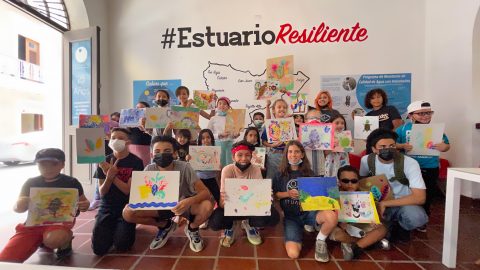
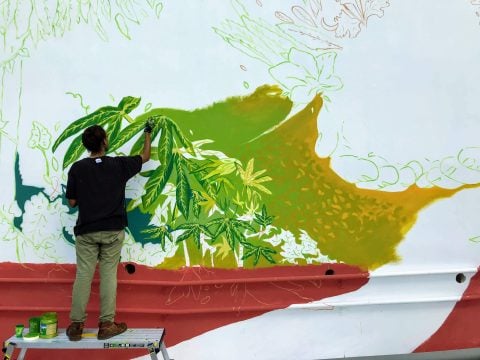
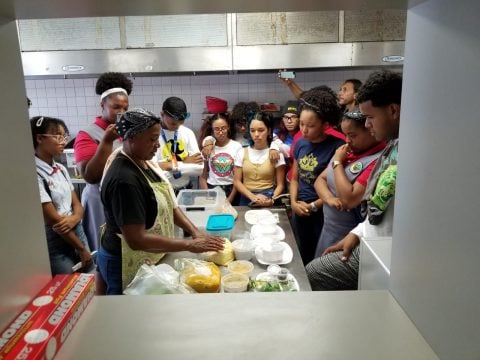
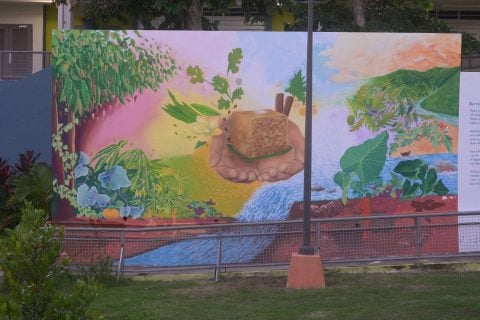
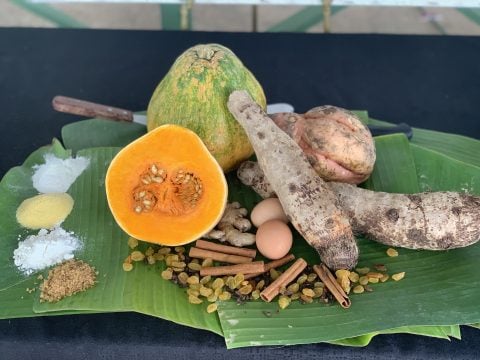
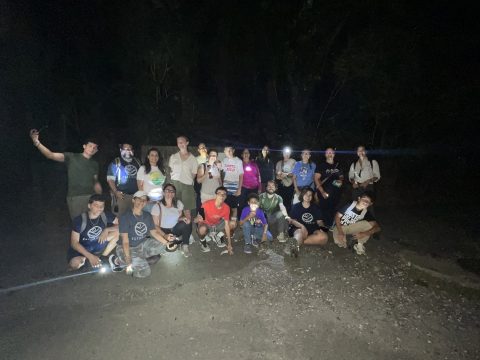
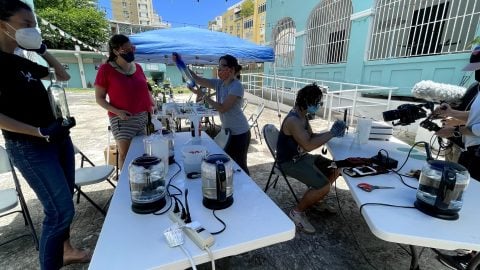
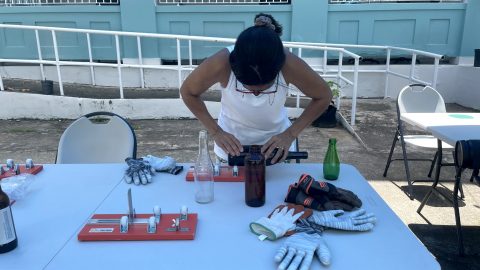
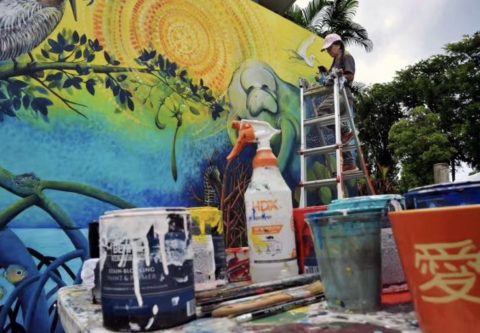
Collage: closing of the Antonio Martorell and Friends artist residency

We'll be announcing upcoming screenings of the documentary soon. Stay tuned for updates!

Book/Manual

Another product of this artistic residency was the book/manual, which serves both as a record of the project and as an educational tool. Through its pages, it guides us through the residency, reviewing each of the ten workshops, the artists who led them, and the communities that joined this collective creative process.

Here you can download your digital copy of the book.

To obtain a physical copy, please contact us by calling 787-725-8165 or writing to us at [email protected].

In the press

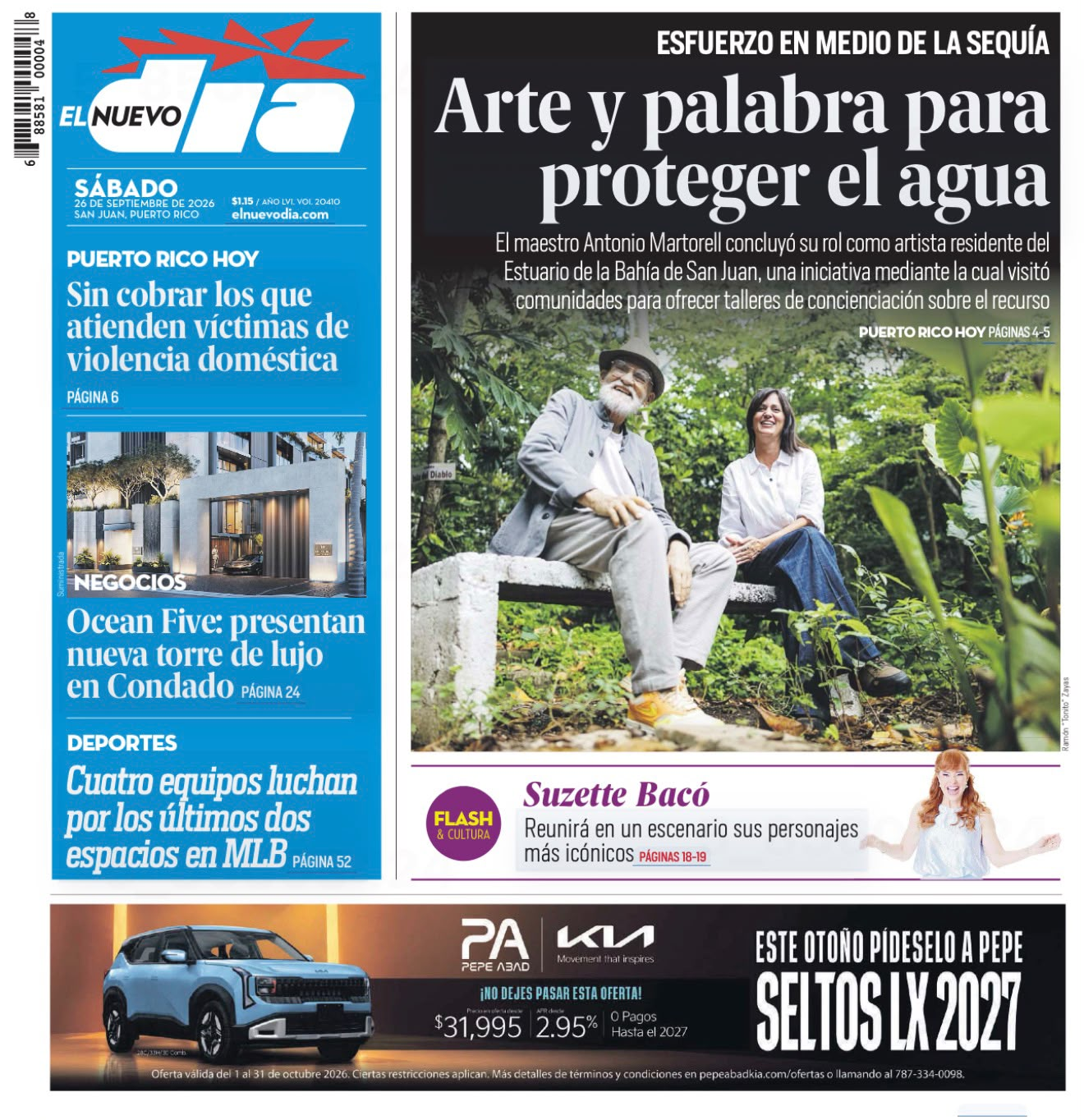
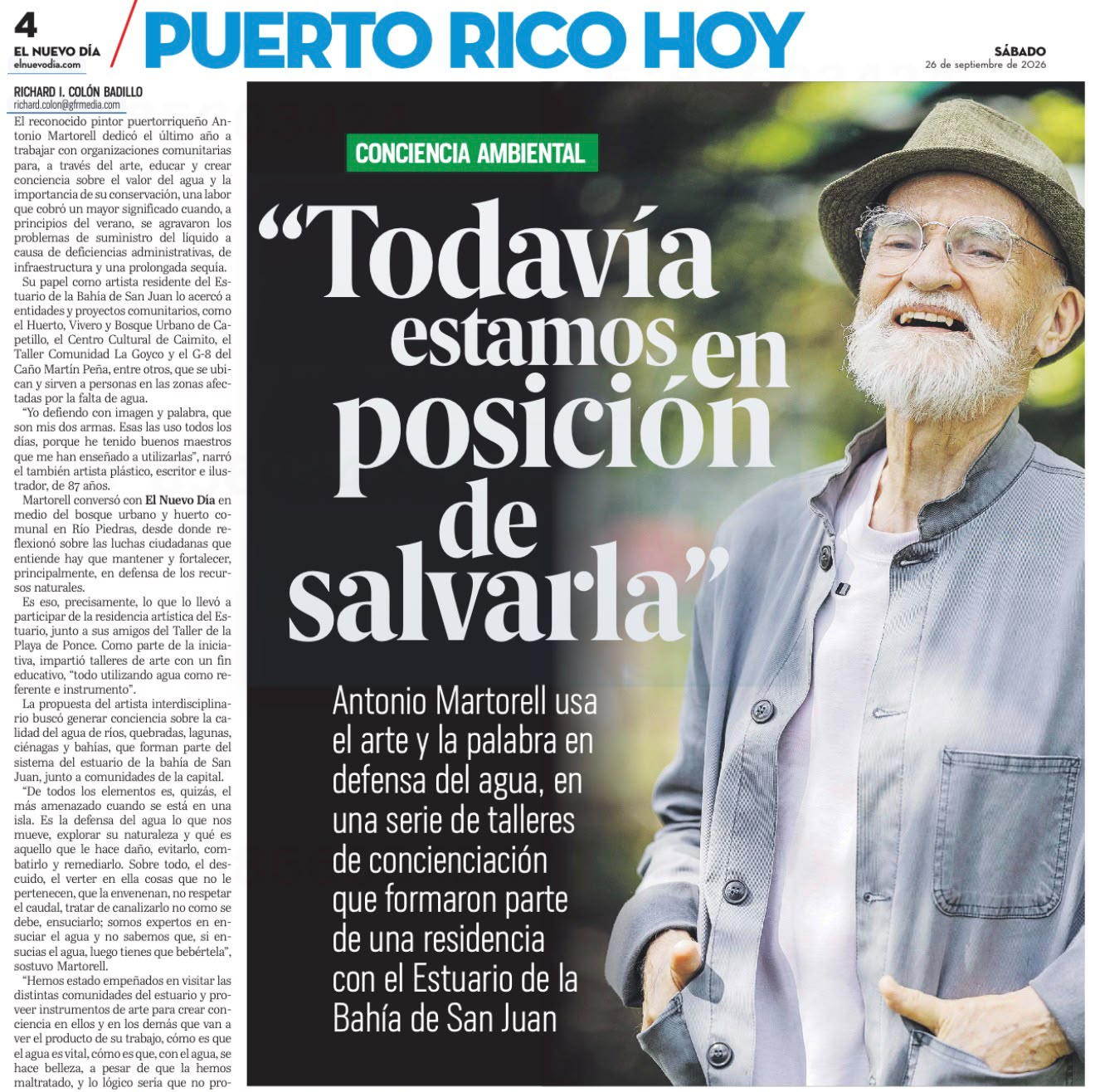
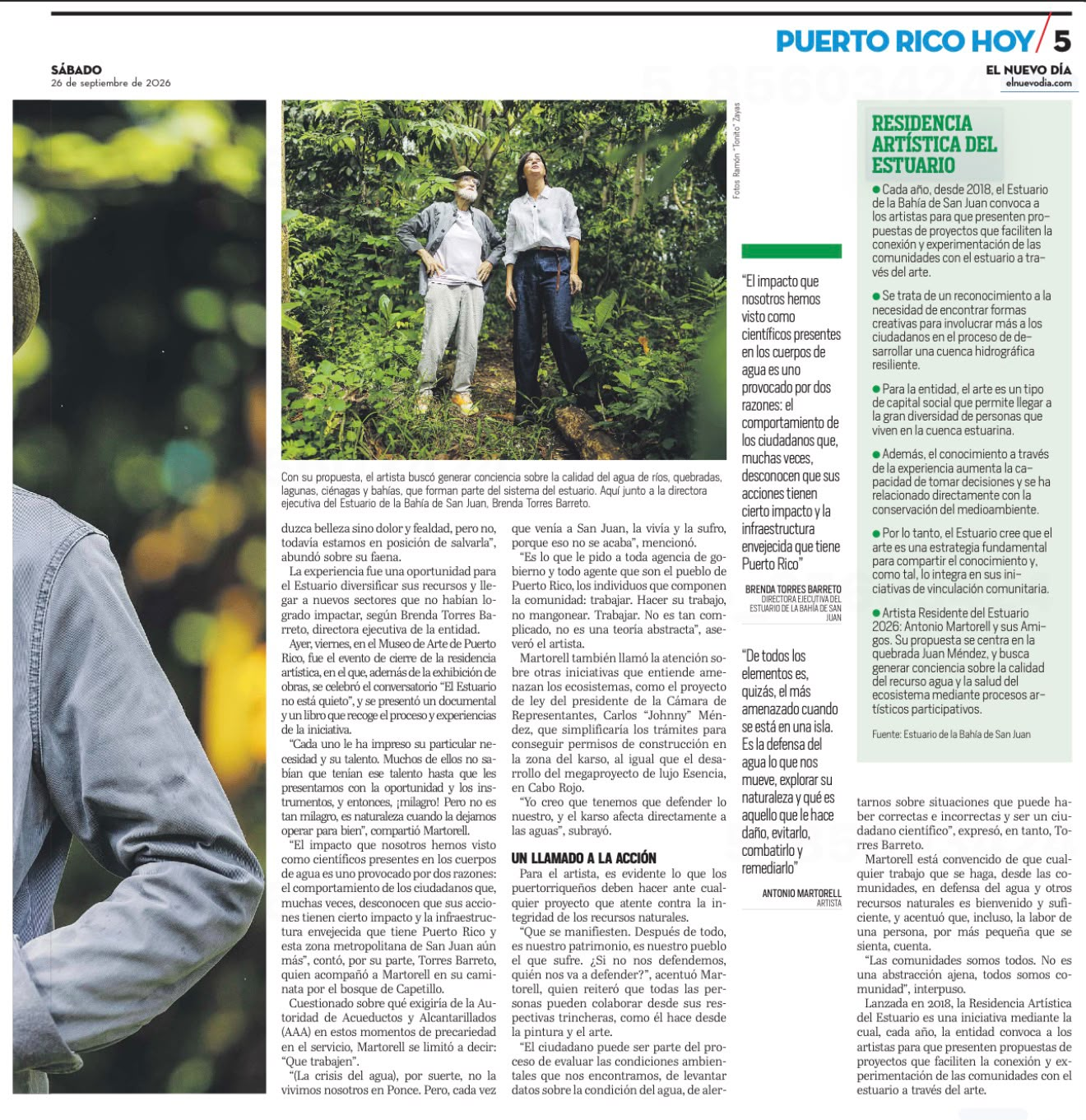
The residence was featured on the front page of El Nuevo Día on Saturday, September 26, 2026: “We are still in a position to save it”: Antonio Martorell uses art and words in defense of water . Magacín magazine also published the photo gallery This is how the closure of El Estuario no está quieto (The Estuary is not still ) went.

Estuary Artist in Residence 2026: Antonio Martorell and Friends

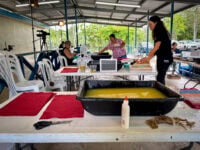
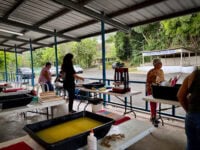
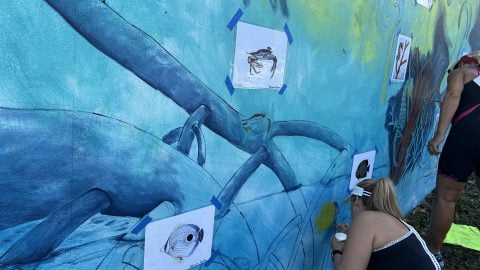
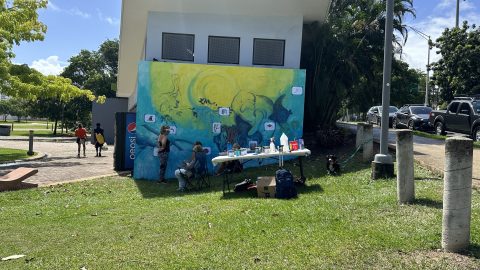
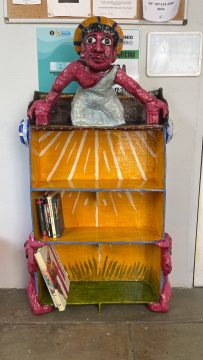
This year, the Estuary Art Residency invites us to embark on a journey of collective creation, environmental awareness, and community transformation alongside the renowned artist Antonio Martorell and his friends. Their project focuses on the Juan Méndez ravine, a channeled urban waterway that flows through diverse neighborhoods and landscapes in the San Juan metropolitan area, carrying with it stories, culture, beauty, and also ecological crises.

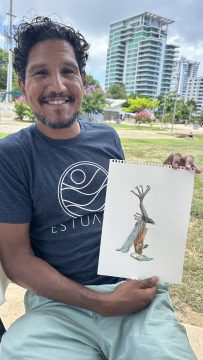
“My friends from Taller de La Playa in Ponce and I have the privilege of being resident artists of the San Juan Bay Estuary, where we hold community workshops with residents focusing on the theme of water, its use and conservation.

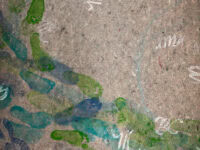
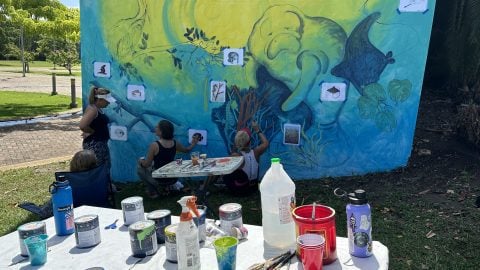
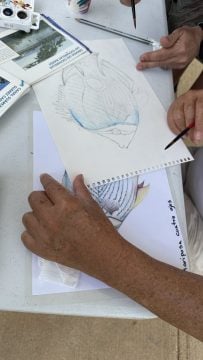
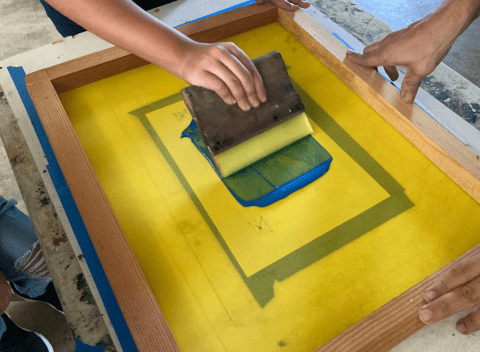
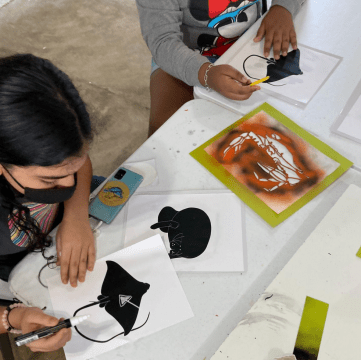
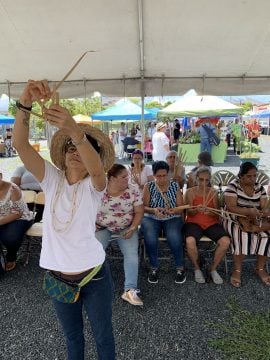
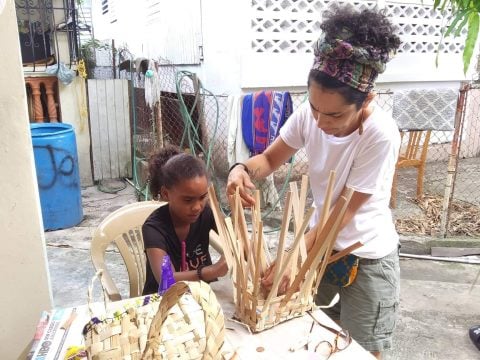
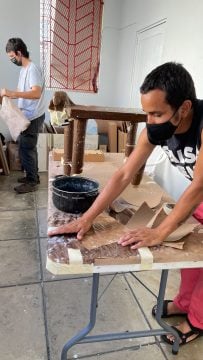
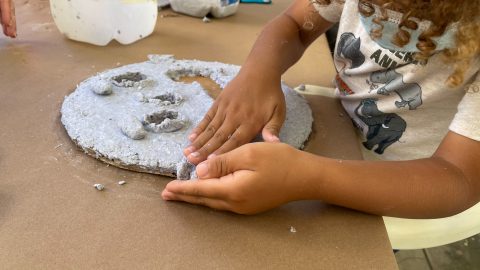
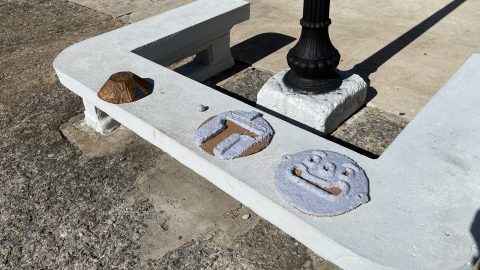
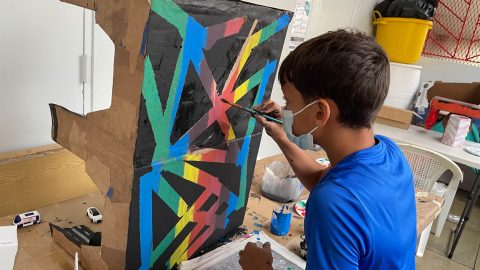
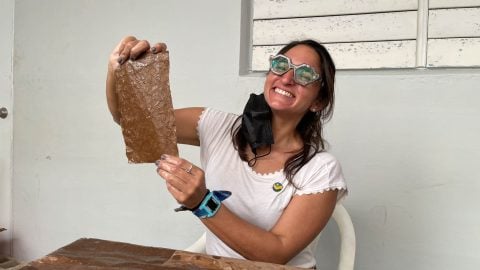
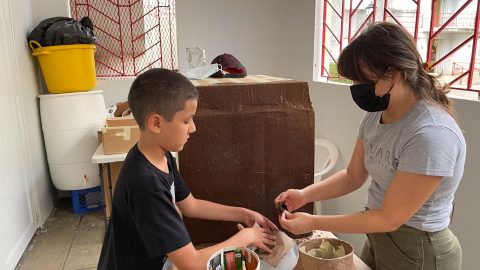
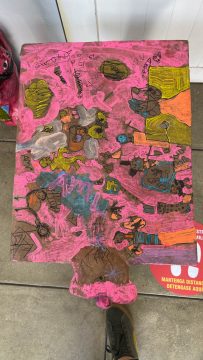
From the mountains to the coast, we explore, through drawing, papermaking, marbling, textiles, photography, and video, among other crafts, the value of our precious lifeblood. It is a revealing experience of the importance of water conservation for the life of our archipelago.” – Antonio Martorell

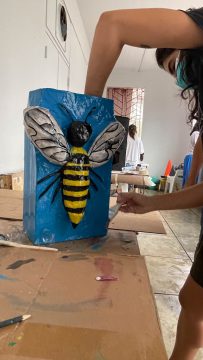
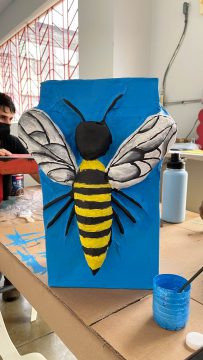
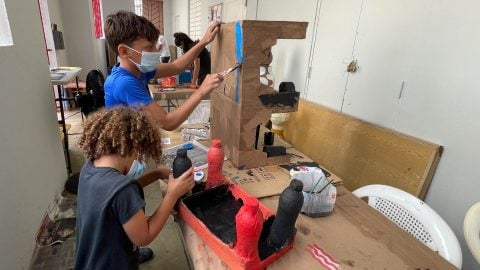
The residency aims to raise awareness about water quality and ecosystem health through participatory artistic processes. Through a series of community workshops, the experiences of those living in the stream basin and estuary are documented and imagined to give shape to a creative body of work that reflects both its complexity and its hope.

“The project will serve as a connecting force within the community through its dissemination. It will be developed in a language that facilitates its use as an alternative educational resource. It will foster the self-esteem of residents in the communities surrounding the Juan Méndez ravine, identifying them with art and creation as paths to knowledge.” – Antonio Martorell

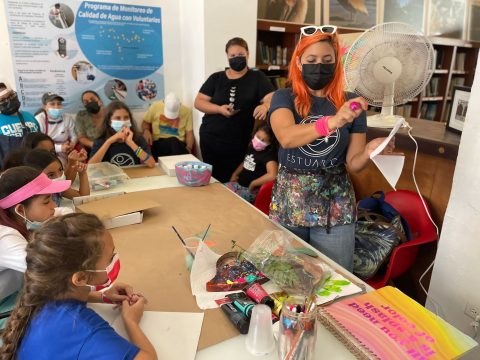
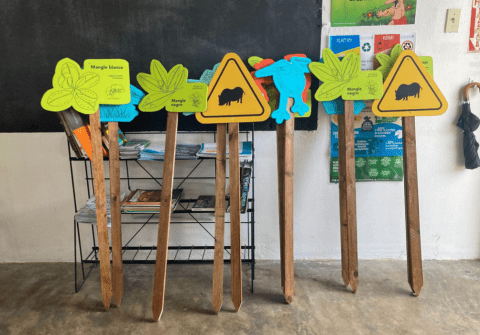
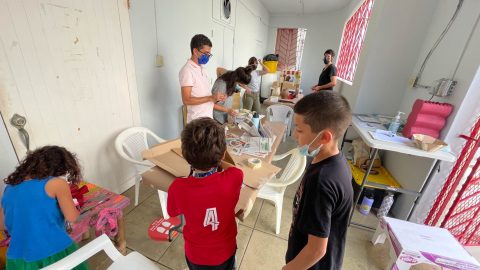
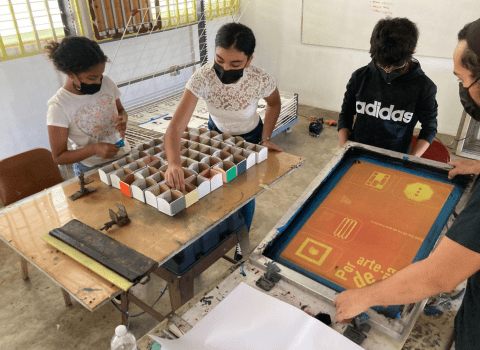
Over a six-month period beginning in July 2025, estuarine communities will participate in workshops exploring photography, eco-printing , literature, textile jewelry, music, theater, and other disciplines. These workshops not only produce art but also foster connections with the estuary ecosystem, shared knowledge, and safe spaces for self-expression.

Among the collaborating spaces are:

  • Caimito Cultural Center
  • La Goyco Community Workshop (Santurce)
  • Group of 8 Communities Surrounding the Martín Peña Canal
  • Puente Blanco Organizado Inc. (Cataño)
  • Capetillo's Orchard, Nursery and Urban Forest

The process will culminate in three main components:

  • A video documentary.
  • A printed publication that will serve as a record and educational tool.
  • An exhibition as a visual echo of the collaboration between art, community and environment.

With this proposal, Martorell and his Friends of the Beach Workshop seek more than just visibility: they seek for art to be a channel, mirror and engine of transformation. 
Conservation through art and culture

ESTUARIO recognizes the need to find creative ways to further engage citizens in the process of developing a resilient watershed. Every year since 2018, we have invited artists to submit project proposals that facilitate community connection and experience with the estuary through art.

Art is a type of social capital that allows access to the diverse population living in the estuary basin (Wong and Brown, 2009). Furthermore, knowledge gained through experience enhances decision-making capacity and has been directly linked to environmental conservation.
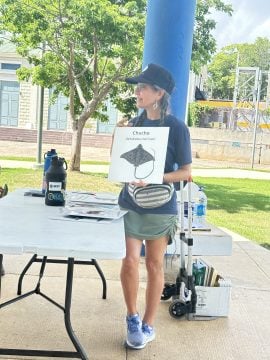
Therefore, we believe that art is a fundamental strategy for sharing knowledge and we integrate it into our community engagement initiatives.
Virtual Exhibition – Estuary Resident Artists 2023

Exhibition of Previous Residences

Thanks for subscribing!

You will start receiving our updates starting this Friday.