The coasts are vulnerable after Hurricane Maria and the strong storm surges.
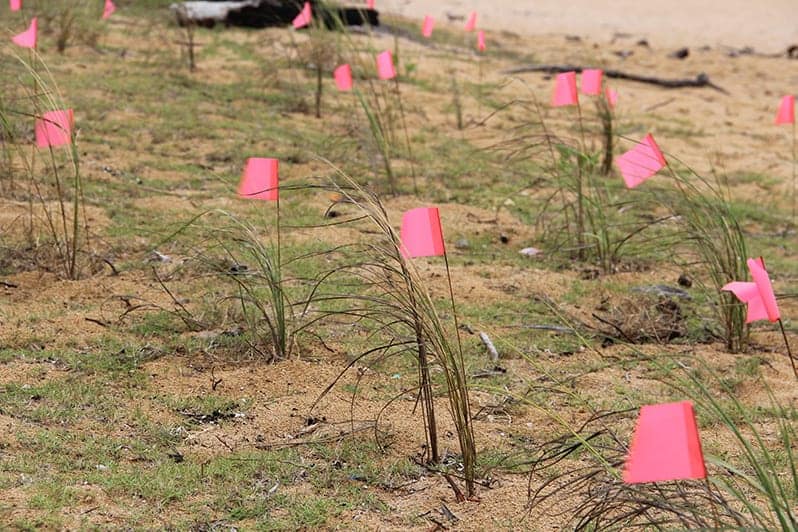
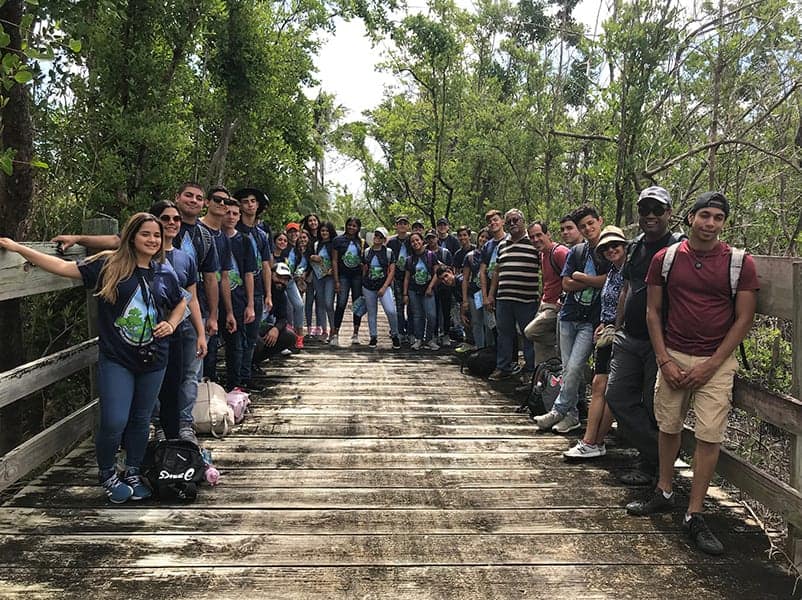
San Juan, Puerto Rico – In the aftermath of Hurricane Maria and the recent storm surges that battered Puerto Rico's coast, the San Juan Bay Estuary (Estuary) is working to stabilize and restore the sand dunes along the entire coastline of the metropolitan area, stretching from Toa Baja to Loíza. This time, the Estuary is in the Ocean Park area, collaborating with Grupo 7 Quillas, the Santurce Ecosystem Restoration Coalition, and the American Fisheries Society. Among the species planted in the dunes and surrounding areas are cocoplum trees and sea grapes. The group of 70 volunteers also cleaned Ocean Park Beach and relocated the sand.
“Sand dunes are essential for the conservation of coastlines, offshore reefs, and the community. Following recent weather events, our coasts are vulnerable, and we must all take action. For this reason, it is vital to plant a variety of tree species to recreate the ecosystem found on this type of urban beach, such as Ocean Park. This area is a critical habitat, particularly for leatherback sea turtle nesting. The Estuary's responsibility is to work to conserve this habitat. We greatly appreciate the participation of the community and all collaborators in this effort,” said Brenda Torres, Executive Director of the San Juan Bay Estuary.
“The American Fisheries Society is very excited to work on the restoration of these beaches and dunes. This is part of who we are as an association; we are professional scientists and biologists, and this allows us not only to talk about science but also to put it into practice. It’s about planting beach grapes and watching the dunes recover, as well as helping the people of Puerto Rico recover from Hurricane Maria,” said Doug Austen, executive director of the American Fisheries Society.
“The 7 Quillas Turtle Group, together with the Santurce Ecosystem Restoration Coalition, is currently carrying out its sixth beach planting activity. We are introducing native and endemic species and reforesting other areas that were impacted by storm surges and hurricanes, in order to form dunes and create a suitable habitat for leatherback sea turtle nesting on an urban beach,” reported Yvette Núñez of the 7 Quillas Group.
This project is part of the Estuary Infrastructure Support effort, which includes planting trees and plants to prevent erosion in rivers and streams and thus protect them from sedimentation. It also involves restoring damaged mangrove forests and planting mangroves in depleted areas that are therefore exposed to flooding and extreme winds.
To volunteer and contribute to the Estuary, you can join the social media pages on Facebook, Twitter, and Instagram under Estuario San Juan or visit the website www.estuario.org.