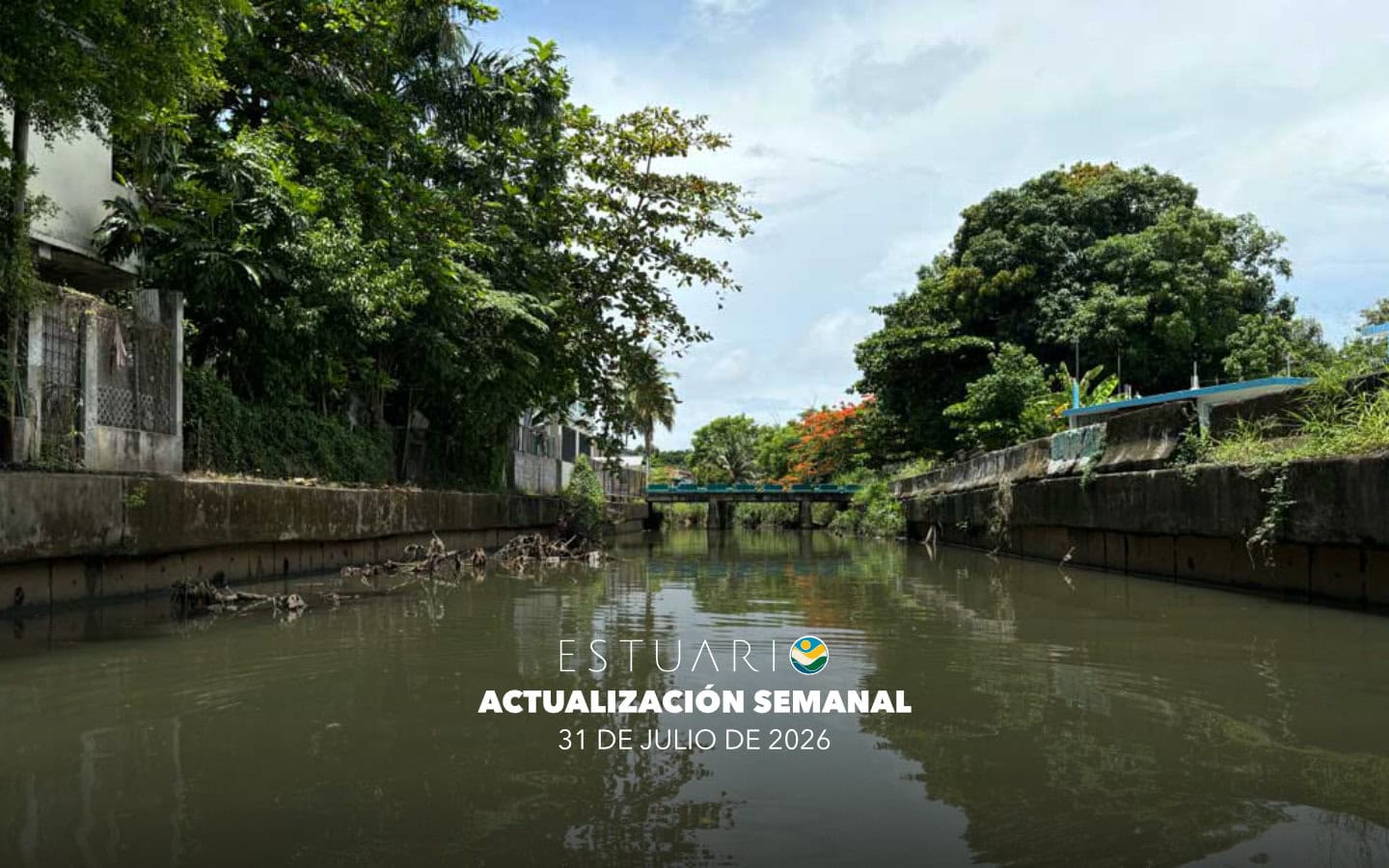
Weekly Estuary Update
Greetings from the estuary! Below, we share upcoming activities, training and volunteer opportunities, and professional development options planned to benefit the restoration and management of the waters connected to the San Juan Bay estuary. Keep reading!
Family day out
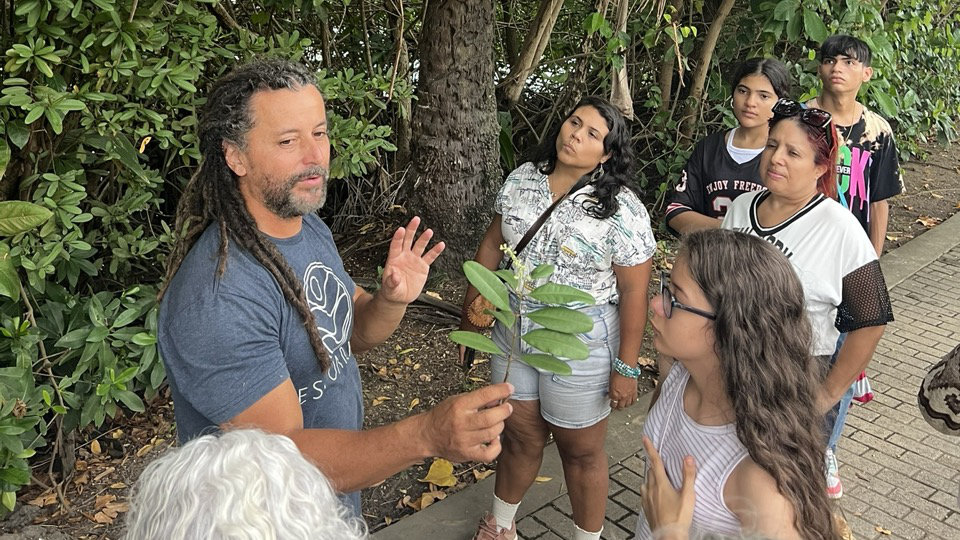
Join us for the Estuary Family Day Out at the Condado Lagoon Estuarine Nature Reserve on Saturday, August 1, 2026, starting at 2:00 pm at Jaime Benítez Park. We'll have opportunities to earn Green Contact hours or community service hours, including talks, a seed collection activity, and an interpretive tour. See the schedule of activities at: estuary.org/events
See you at Jaime Benítez Park! All minors must be accompanied by an adult. No registration is required. For any questions or comments, please write to us at: [email protected]
Estuary Cinema

Estuary Cinema presents: Elio; Saturday, August 1, 2026, at 7:00 pm at Jaime Benítez Park in the Condado Lagoon Estuarine Nature Reserve. The film will be shown in Spanish with English subtitles. This screening is free. Bring your blanket or chair!
Come to the exhibition: The estuary is not still
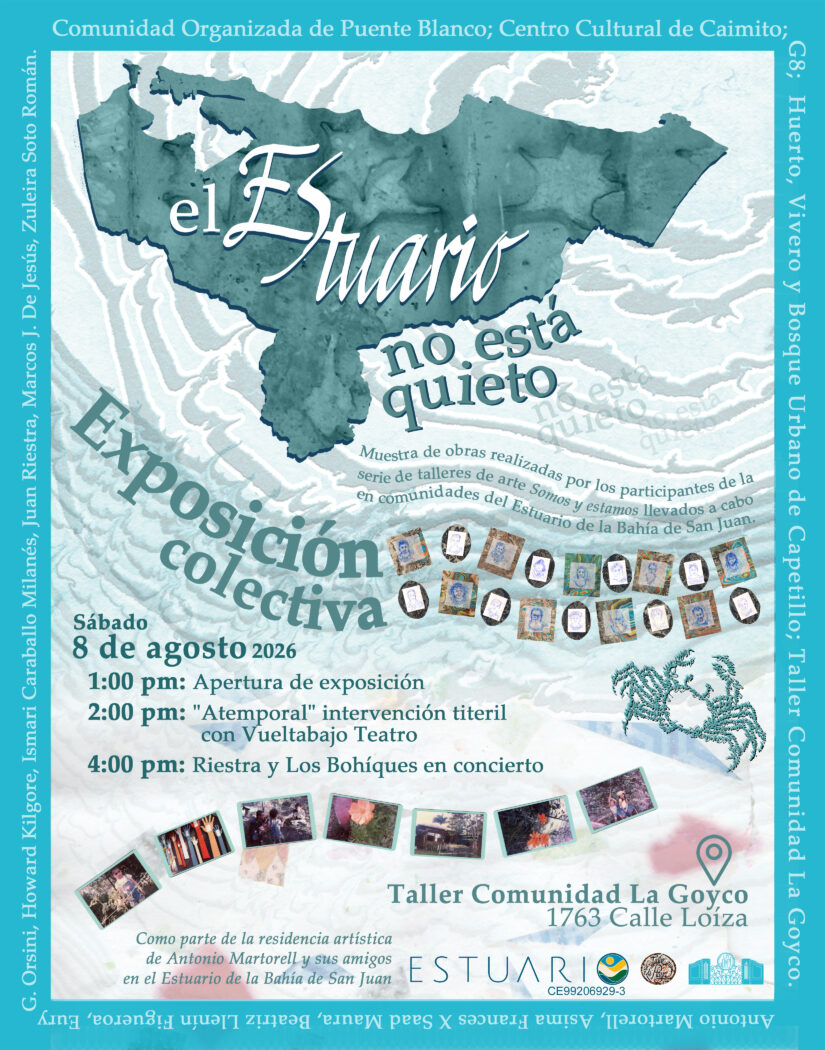
We share with you the invitation from the resident artist of the Estuary, Antonio Martorell and his Friends, to the exhibition, The Estuary is not still, on Saturday, August 8, 2026, starting at 1:00 pm at Taller Comunidad La Goyco.
The collective of artists presented by Maestro Martorell joins the resident artists of past years, who, since 2018, have employed diverse creative methods to foster connection and experimentation among the resilient communities of the San Juan Bay estuary through art. Don't miss the result of this historic residency!
See more information, including the schedule of activities, at: estuary.org/events
We look forward to seeing you soon!
Interpretive tour in Piñones
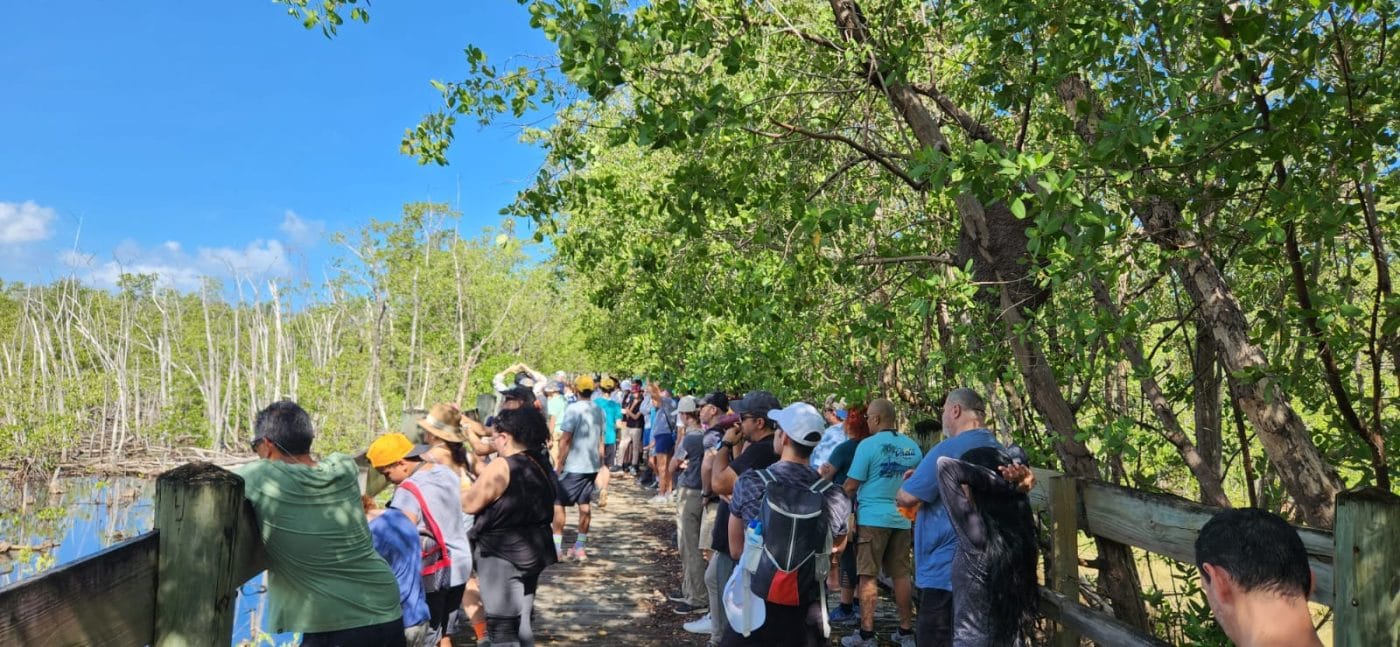
Join us for the next interpretive tour of the green spaces connected to the San Juan Bay estuary, on Saturday, August 15, 2026, at 8:00 a.m. in Piñones State Forest. Register today at estuary.org/events
This interpretive tour counts towards Green Contact hours or community service. All minors must be accompanied by an adult, who must register separately.
Job opportunity
Opportunity for a professional services contract
Enroll in the graduate course: CIAM 8990
CIAM 8990: Innovative Approaches to Sustainable Water Resource Infrastructure; is an interdisciplinary course integrated with multiple sectors for the study of Socio-Ecological-Technological Systems (SETs). The Juan Méndez Creek channelization reversal project will be presented as a case study and a space for applying knowledge.
The aim is to provide students with the theory and tools to address issues related to Systems Thinking (SETs) when conducting research that promotes resilience in highly vulnerable regions. The course is both theoretical and practical, and will integrate and apply the concepts of systems thinking, collaborative work, community engagement, and interdisciplinary research.
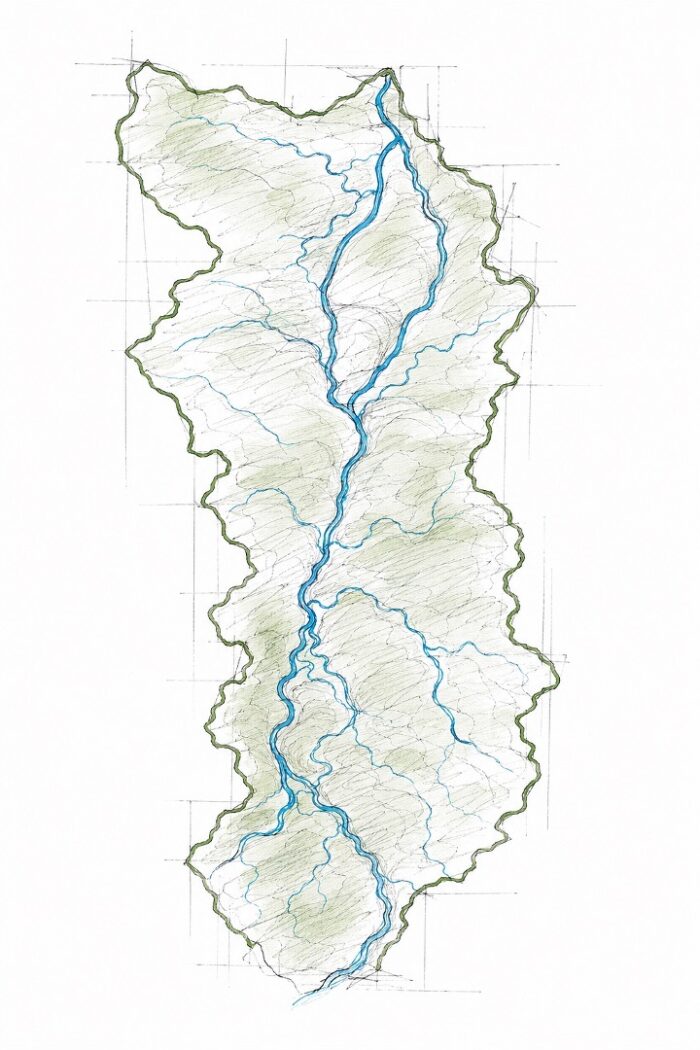
The course is open to graduate students from multiple faculties and programs (e.g., Natural Sciences, Planning, Social Sciences, Architecture, Engineering, Public Health).
At the end of the course, students will create a research proposal using the Juan Méndez Ravine as a case study to compete for a one-year scholarship (stipend) ($20,000 for master's studies, $30,000 for doctoral studies). For more information, contact Dr. Jorge Ortiz Zayas (Department of Environmental Sciences, UPR-Río Piedras) at: [email protected]
Students selected for scholarship
Estuario is thrilled to announce the graduate students selected for the 2021 Investment in Infrastructure and Jobs Act (IIJA) research and study grant. Through this grant, they will contribute scientific and technical data, as well as relevant analyses, to the restoration and management of the Juan Méndez Creek. These grant recipients completed the UPR-RP Department of Environmental Sciences graduate course, " Innovative Approaches to Sustainable Water Infrastructure," and are part of a group of professionals trained to solve complex problems. Congratulations!
Verónica Olivo-Marrero, MS, is a doctoral student in biology at the University of Puerto Rico, Río Piedras Campus, where she works as a teaching assistant in biology.
Research: Evaluation of the pollutant assimilation capacity in the Juan Méndez Ravine. The project will evaluate the assimilation capacity of nutrients, sediment, and carbon in channeled and non-channeled sections of the Juan Méndez Ravine (QJM).
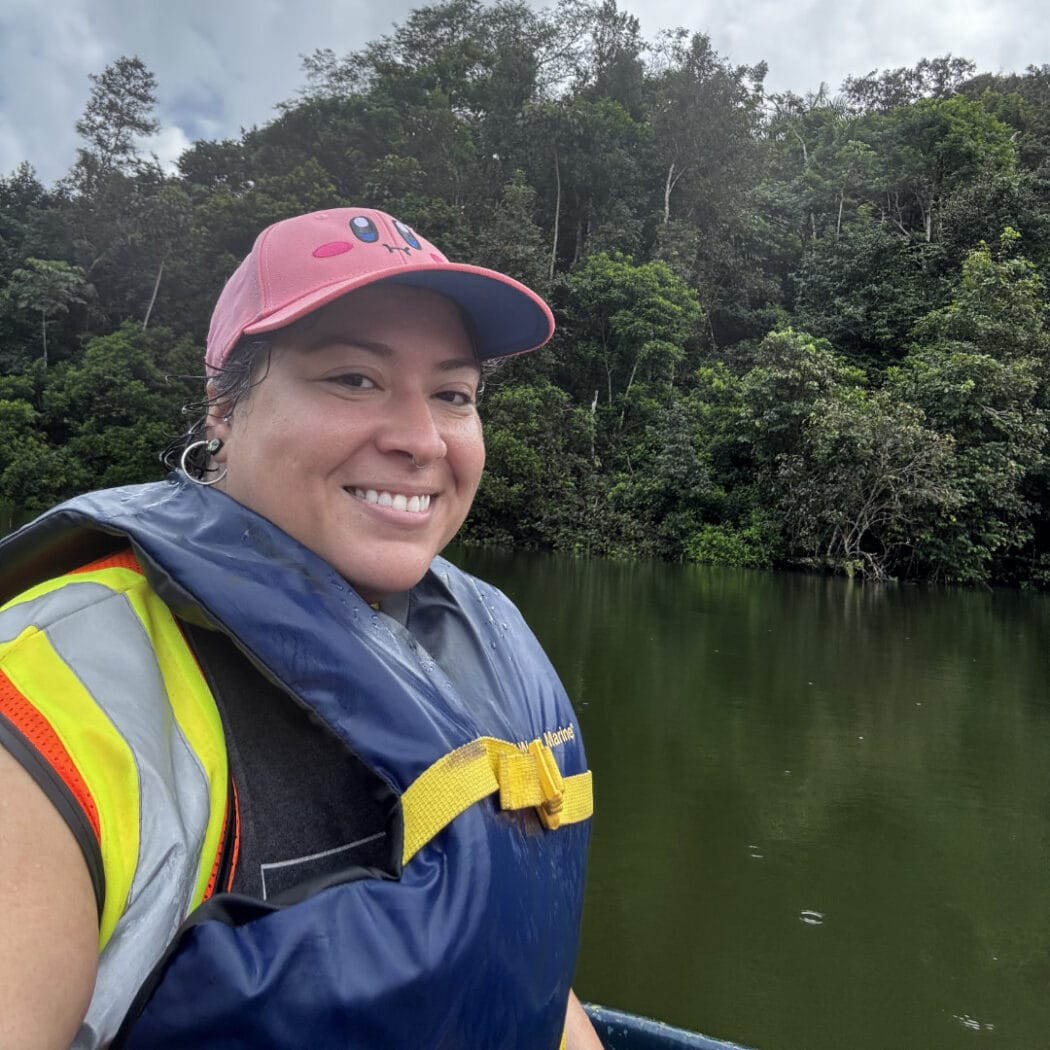
“My motivation for undertaking the fellowship was more than a personal challenge; it was to apply my scientific knowledge to solve a tangible problem. Using the Juan Méndez Ravine as a case study allowed me to combine both passions: water quality and laboratory analysis, while considering the health of the ecosystem and the surrounding communities.”
My research aims to determine the assimilative capacity of the Juan Méndez stream by evaluating the various incoming pollutants, primarily from sewage discharges and solid waste. I will assess three segments with distinct geomorphological and hydrological characteristics. These results will support the hypothesis of dysbiosis, an alteration in microbial composition, which is part of my dissertation. With these findings, I will be able to identify the geomorphological and hydrological features that must be preserved in restored tropical streams to ensure their assimilative capacity.
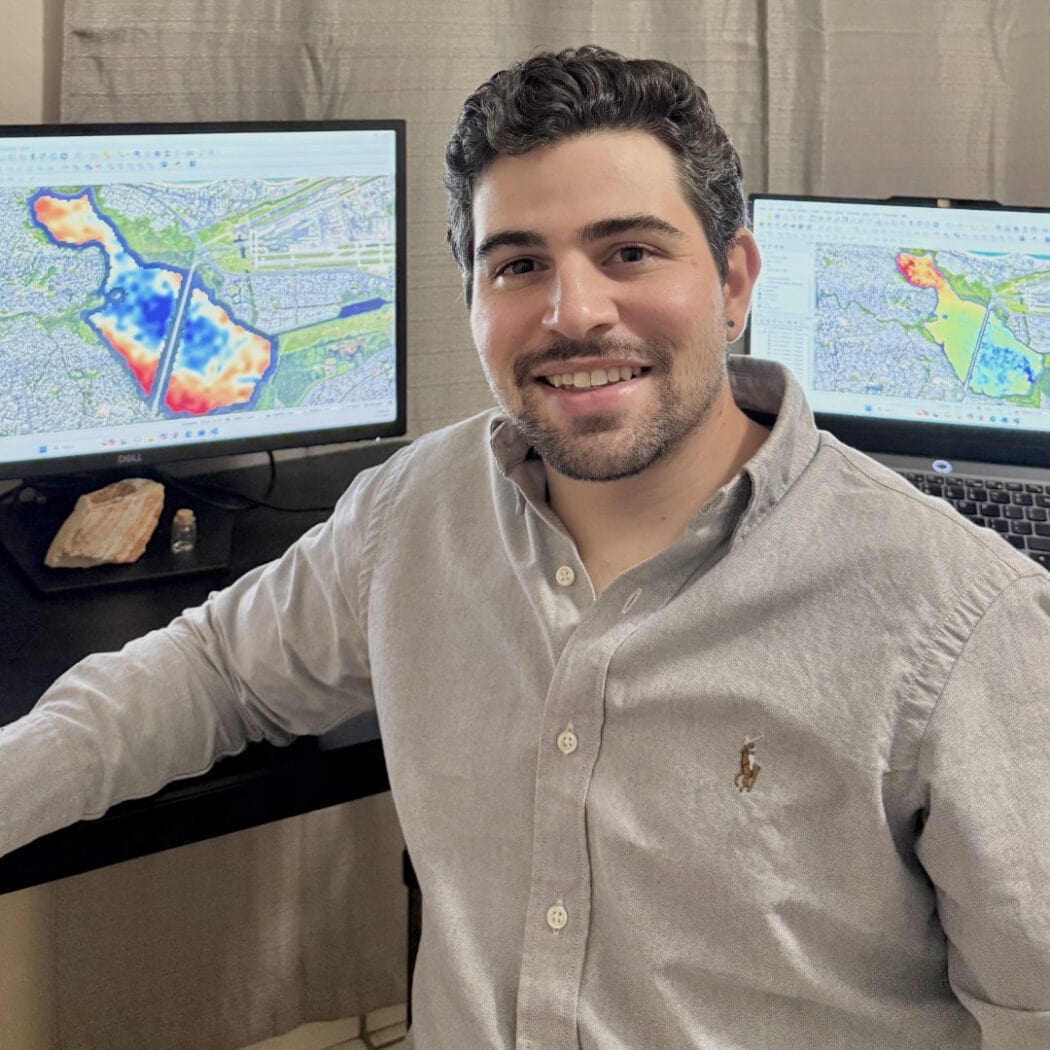
Xavier A. García-López is a doctoral student in Environmental Sciences at the University of Puerto Rico, Río Piedras Campus. He has experience in projects developed at NASA DEVELOP, the United States Geological Survey, and the University of Puerto Rico. He currently works as a research assistant at the same university.
Research: Spatio-temporal dynamics of the contributions of the Juan Méndez Ravine to the San José and Los Corozos lagoons using optical and thermal remote sensing.
“I was motivated to do the fellowship with the Estuary because these ecosystems are especially interesting to me. They involve the interaction of saline water, continental surface water, and, in some cases, groundwater. This interaction generates dynamic and complex environmental conditions. For this reason, estuaries require continuous monitoring and study.”
My project aims to develop a methodology to identify, quantify, and characterize the discharge plumes generated by the Juan Méndez and San Antón streams, both tributaries of the San José lagoon. I use image processing and analysis techniques on images obtained with the Sentinel-2 MSI multispectral optical sensor. Additionally, I analyze changes in water surface temperature using thermal sensors aboard the Landsat 8 and 9 satellites. This information will allow me to evaluate the spatial and temporal variability of the discharges and their potential effect on water quality. The results will contribute to strengthening environmental monitoring in this area.
Citizen Scientist Certification
Here are the activities for the coming weeks. Remember that workshops and field experiences count toward Green Contact hours or community service. Minors must be accompanied by an adult, who must register separately. See more information and register at: estuary.org/ccc
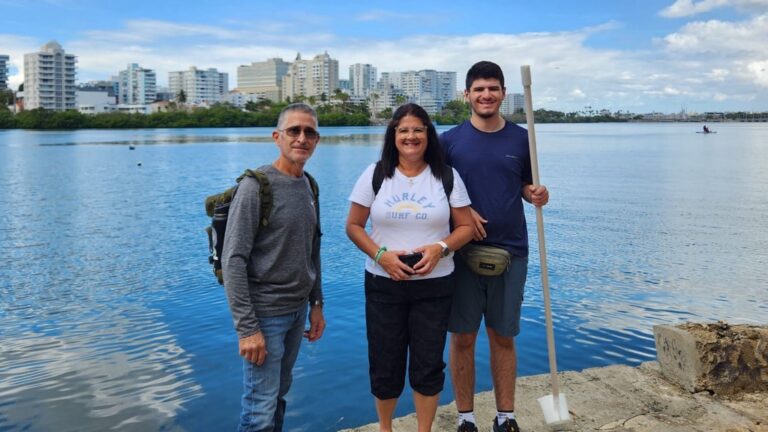
Water Quality Monitoring Module
Water Quality Monitoring Workshop: Bacteriological Monitoring ; Thursday, August 6, at 7:00 pm via Zoom
Field Experience: Bacteriological Monitoring; Thursday, August 13, at 9:30 am at County Lagoon
Water Quality Monitoring Workshop: Physical-Chemical Parameters ; Thursday, August 13, at 7:00 pm via Zoom
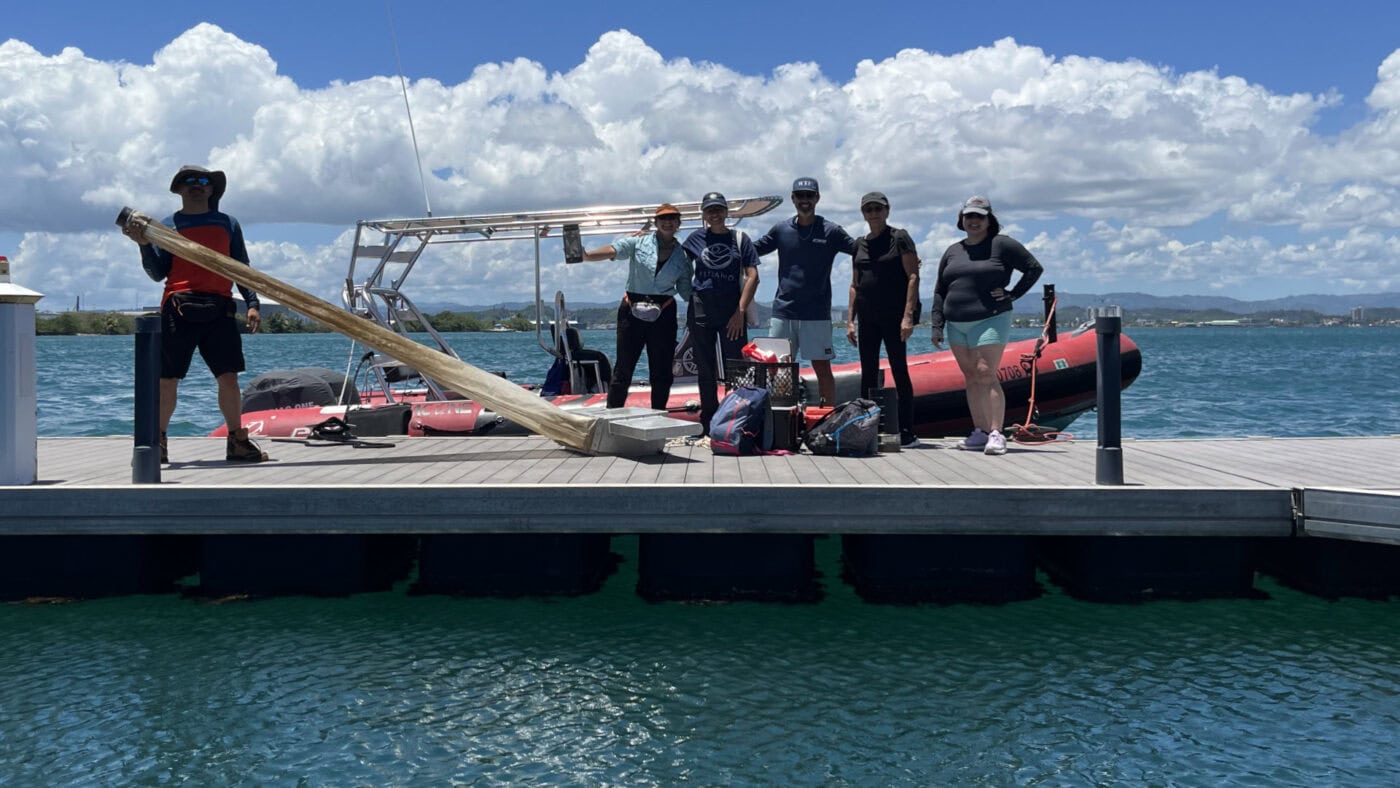
Microplastics Characterization and Reduction Module
Microplastics Characterization and Reduction Workshop ; Tuesday, August 11, at 7:00 pm via Zoom
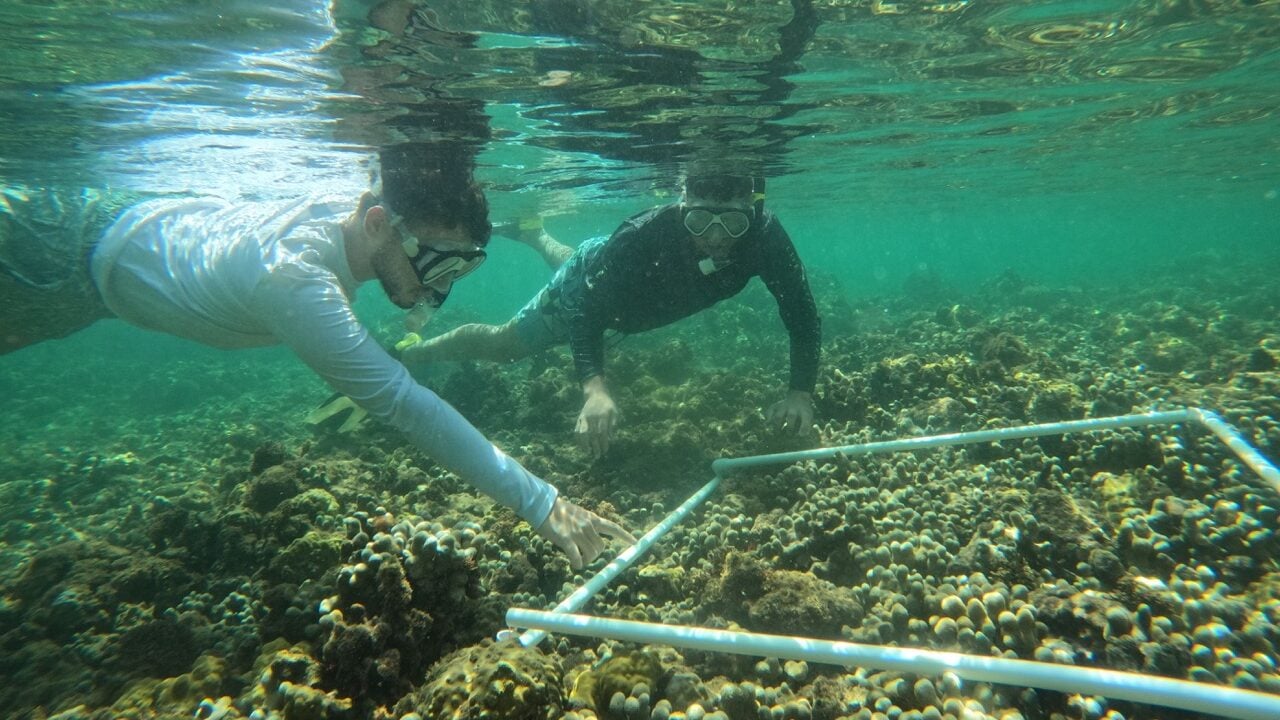
Coastal Resilience Module
Coastal Resilience Workshop: Ecological Restoration of Dunes and Mangroves ; Tuesday, August 4th, at 7:00 pm via Zoom
Field Experience: Planting Coastal Vegetation; Saturday, August 8, at 8:00 am at County Lagoon
Coastal Redisilience Workshop: Ecological Assessment of Coral Reefs and Seagrasses ; Wednesday, August 12, at 7:00 pm via Zoom
Field experience: Seed collection; Saturday, August 15, at 8:00 am in Hato Rey
Field Experience: Ecological Assessment of Coral Reefs; Saturday, August 15, at 8:00 am at County Lagoon
Field Experience: Ecological Assessment of Seagrasses; Saturday, August 15, at 12:00 pm at County Lagoon
Prepare yourself this hurricane season
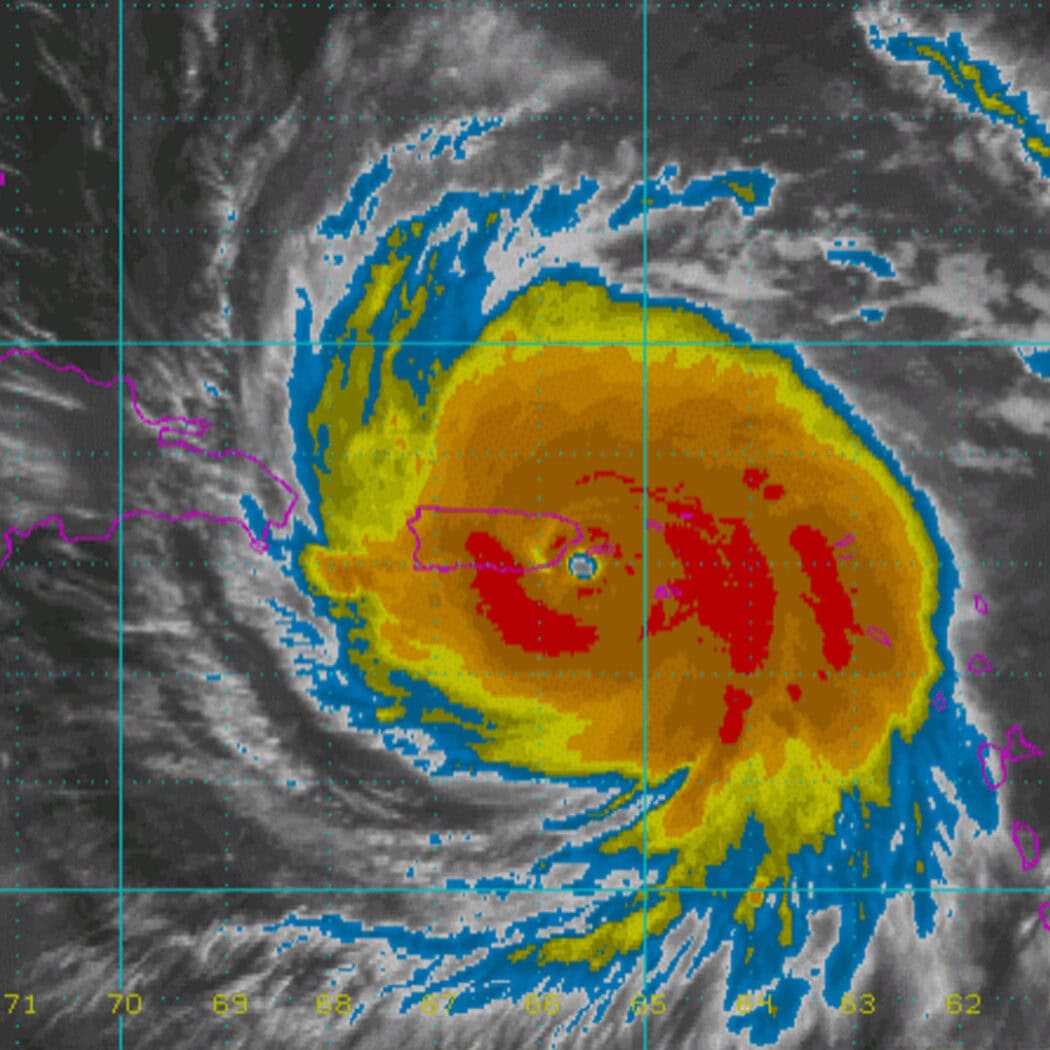
This 2026 hurricane season, the San Juan Bay Estuary urges you to be prepared. Download the Community Hurricane Preparedness Guide and follow its recommendations. Protecting your community starts at home.
Also visit the Estuary Virtual Community Center , where you'll find vital information, such as relevant emergency numbers and instructions for preparing emergency kits.
Don't panic! Get ready.
Weekly bacteriological monitoring
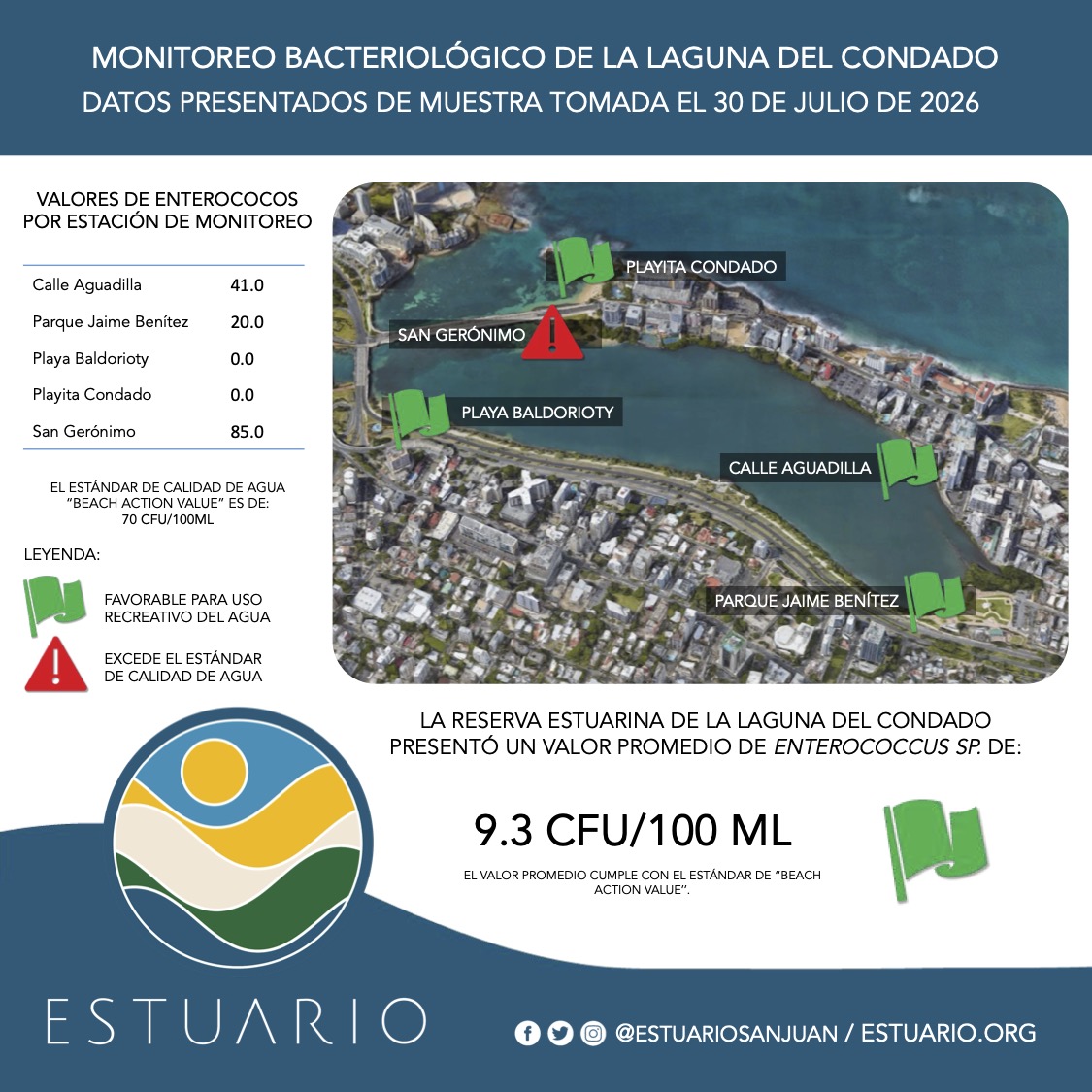
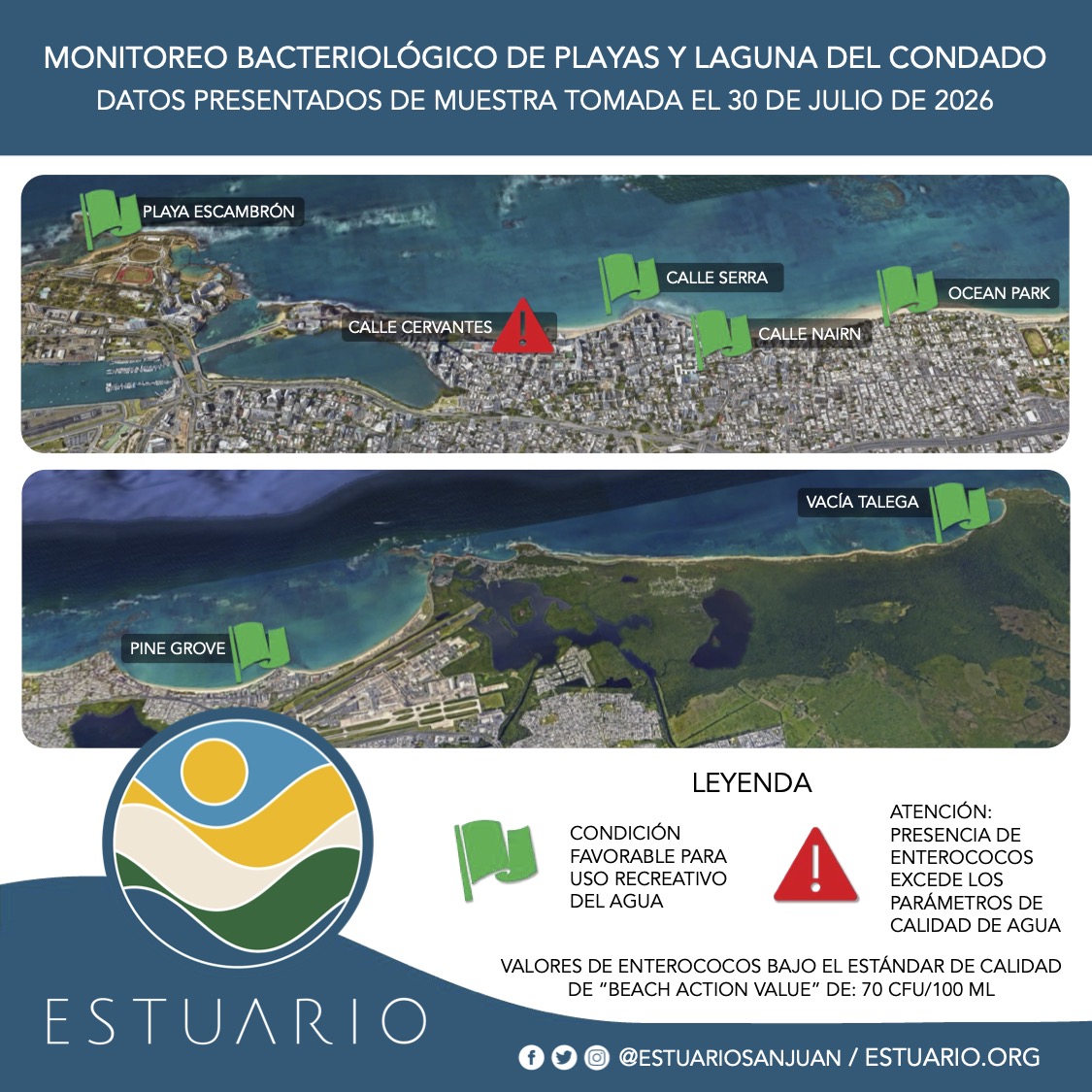
Assessment conducted on Thursday, July 30, 2026. We have a GREEN flag for County Lagoon. However, we recommend avoiding areas that exceeded the "Beach Action Value" water quality parameter for enterococci of 70 CFU/100 mL. Remember to avoid the water during rain events. Have a good weekend.